

9 January 2026
A century in the tides
There is an inescapable cyclicity to life. And in yachting, this is where passion meets purpose... Quotes from The Superyacht Report
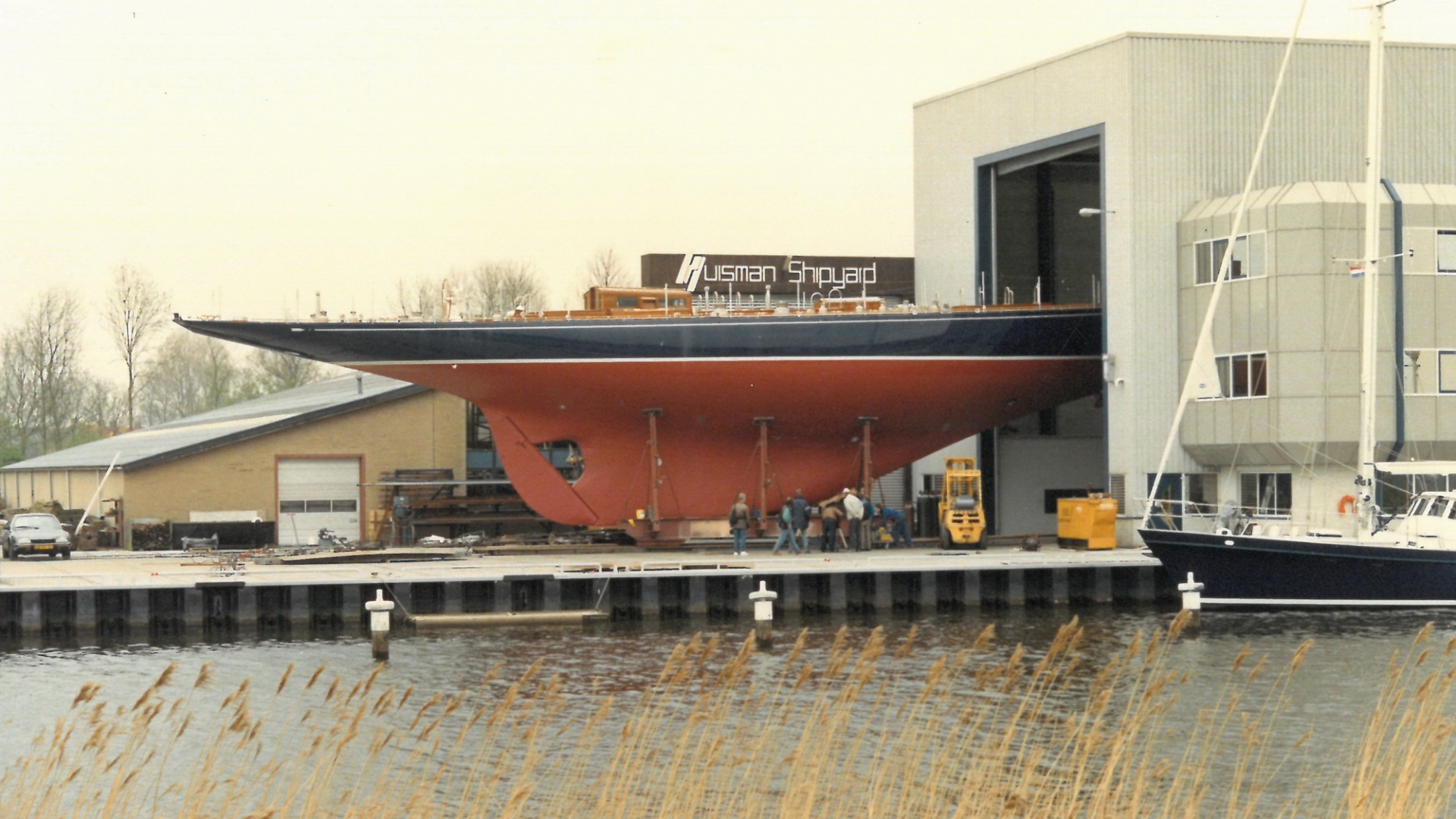
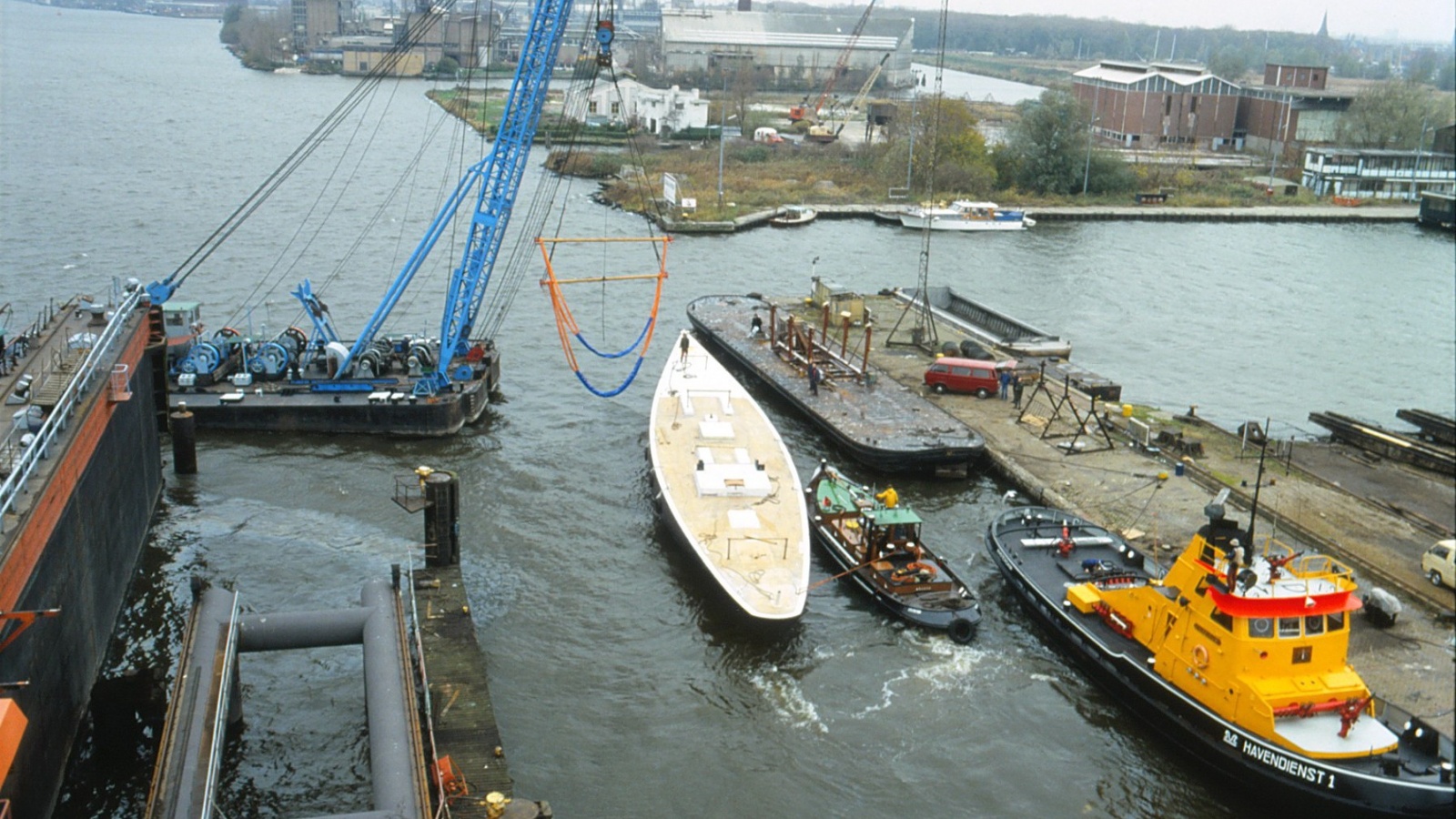
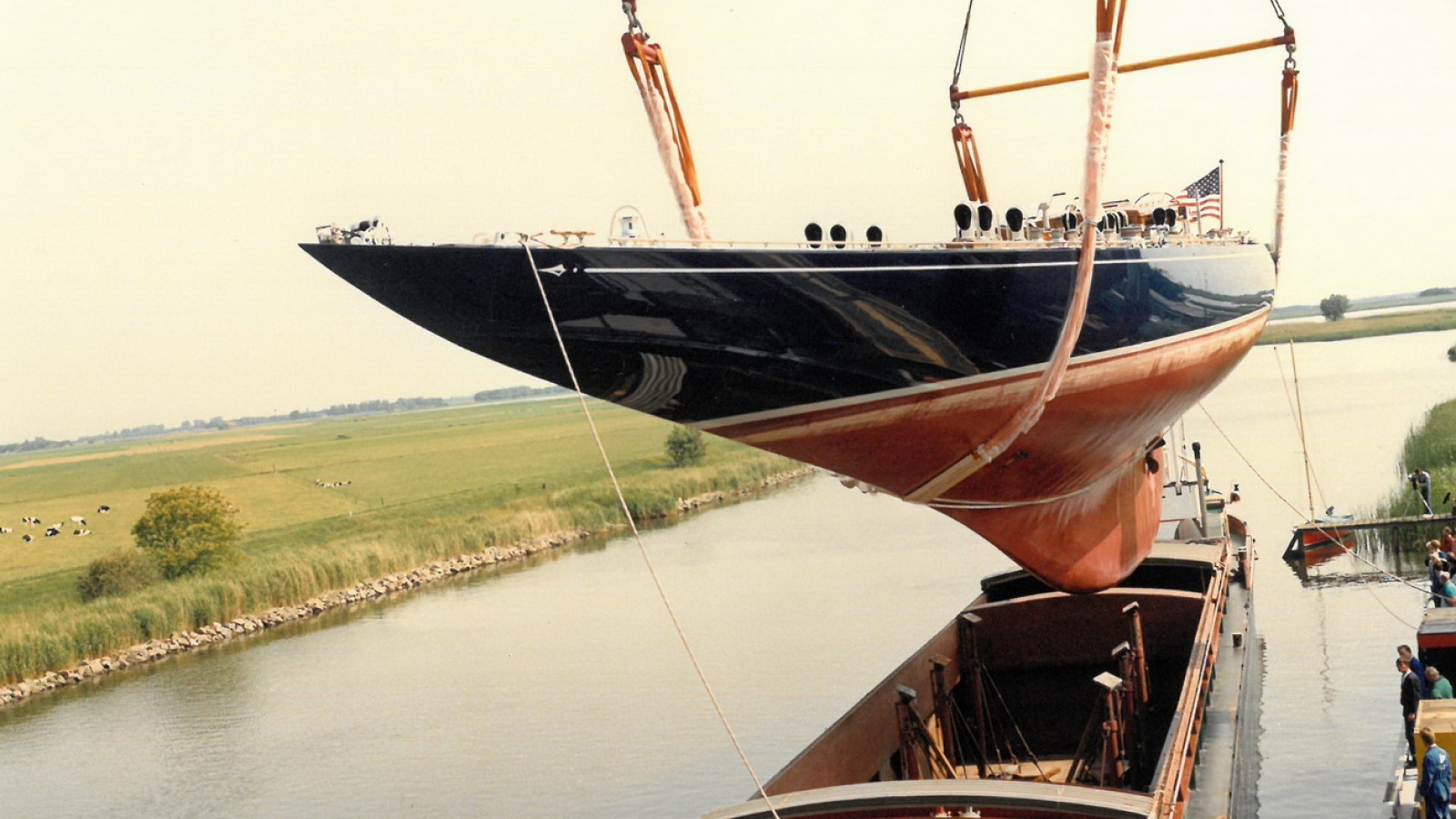
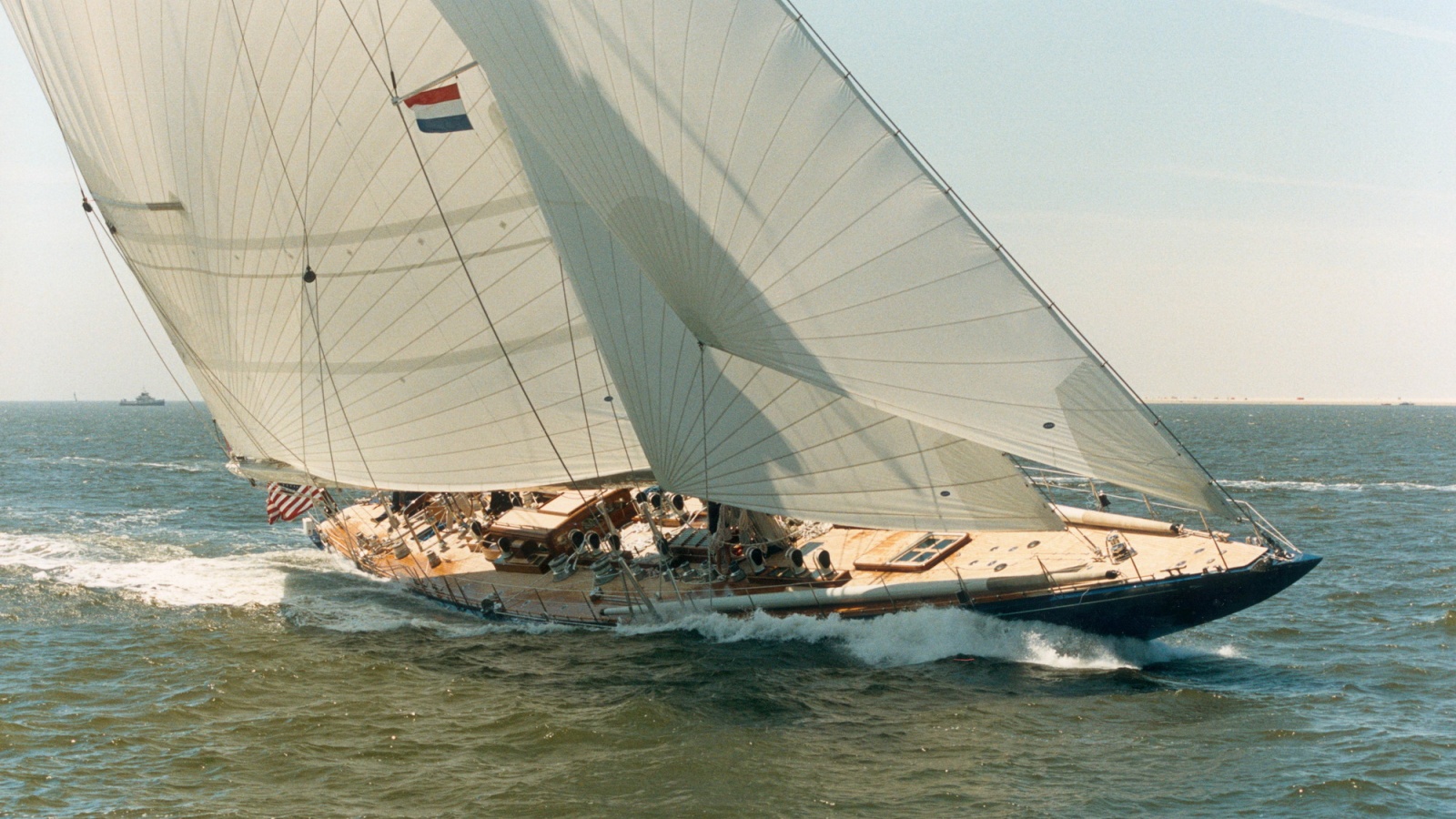
The famous J-class yacht Endeavour was built twice. Once by Camper & Nicholsons in 1934 as an English America's Cup contender and once by Royal Huisman (nowadays the shipyard's Huisfit division) in 1989 as a contender for the most glorious restoration of her time. When she returned to the water, it wasn’t simply a refit completed — it was a piece of sailing history reclaimed.
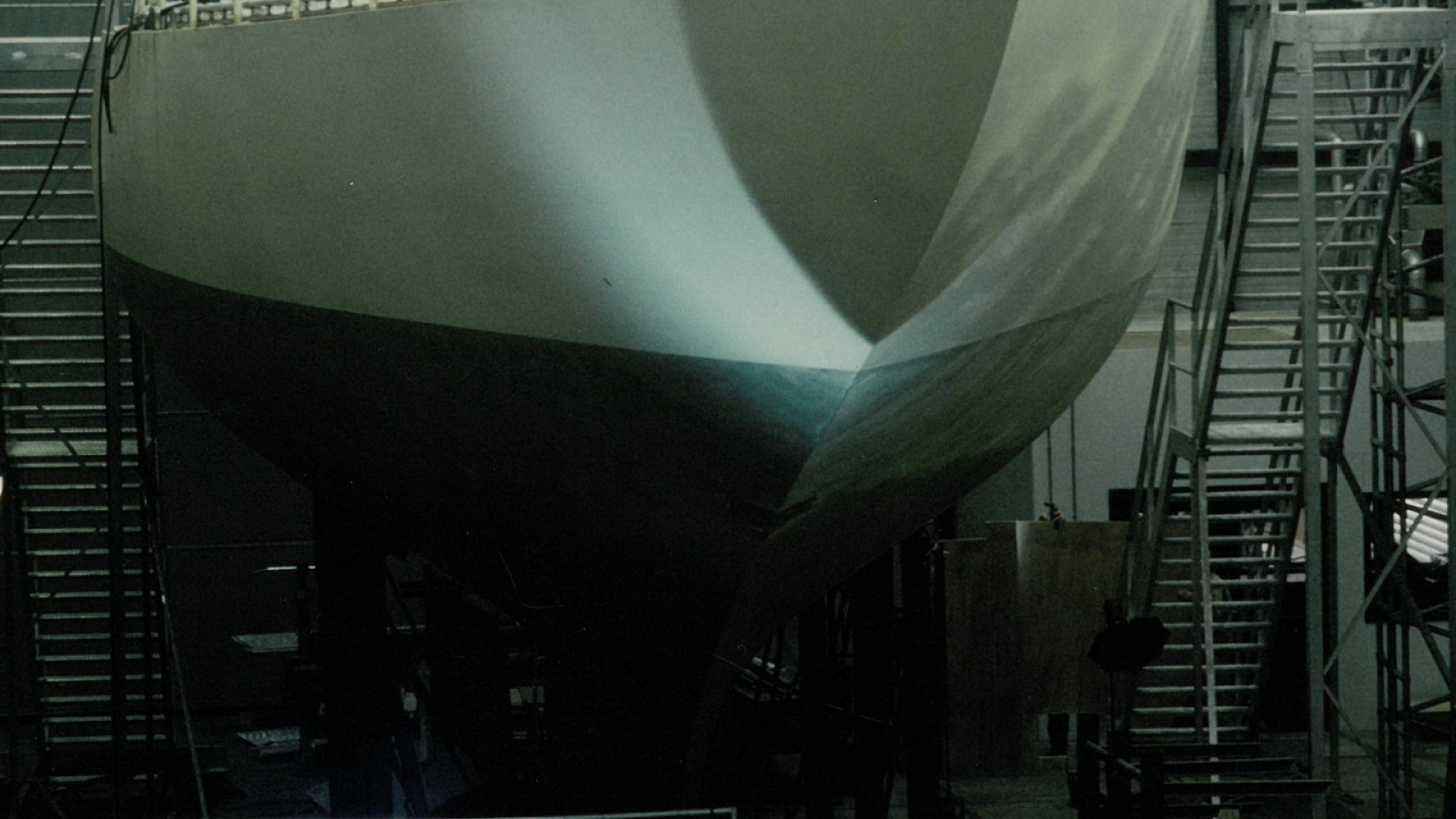
Built in the early 1930s for “Tommy” Sopwith and designed by C.E. Nicholson, Endeavour had once represented the sharp end of international yacht racing. But time is rarely kind to legends. The yacht was ultimately left to rot on a mud bank, a “sad shadow of her former glory,” until she was rescued from her muddy grave in 1985 by visionary and persevering owner: Elizabeth Meyer. Even the “rescue” came with a sobering reality check. What remained was, in essence, her patched-up 1930s steel hull — hardly a foundation for a straightforward restoration.
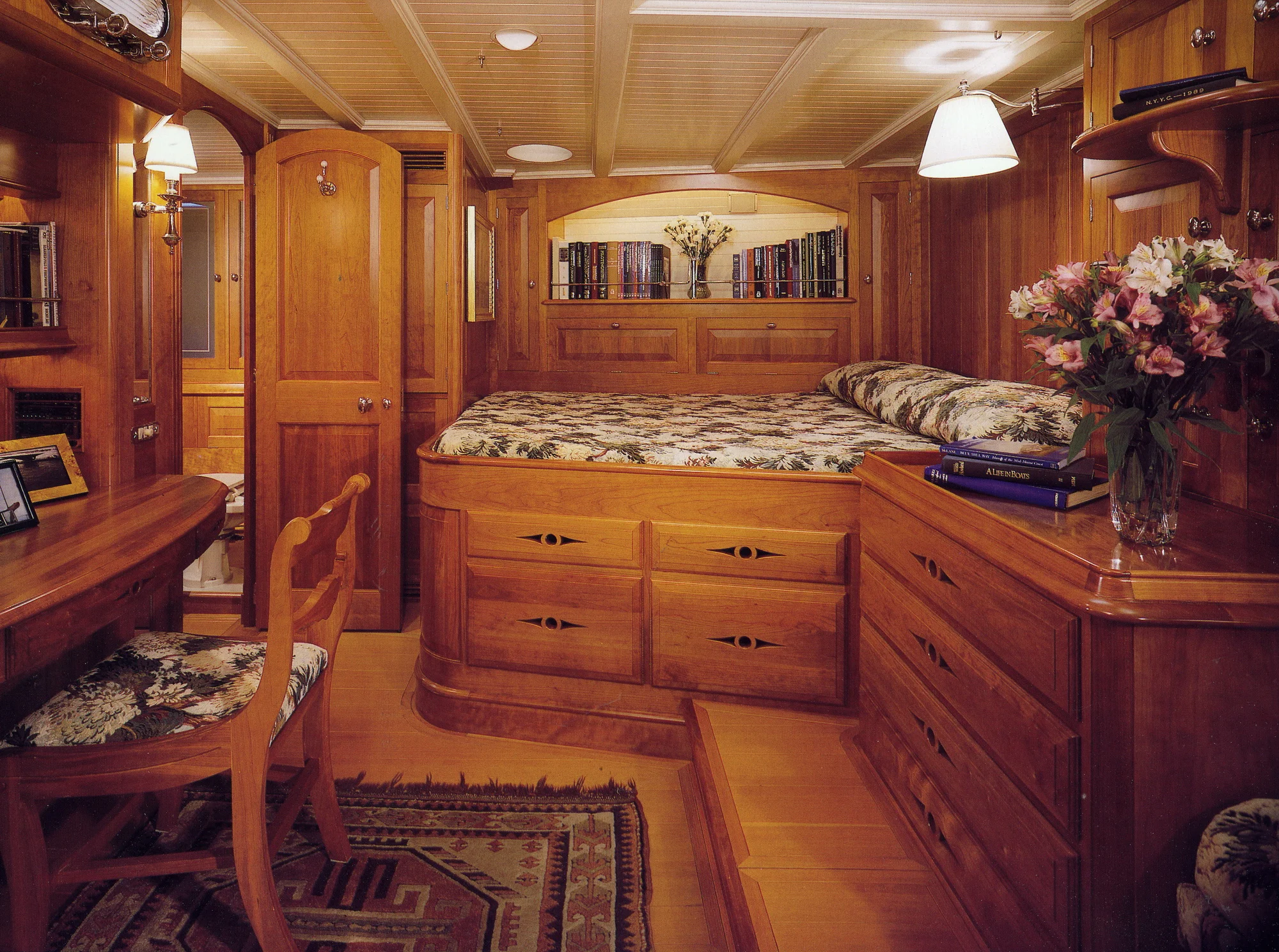
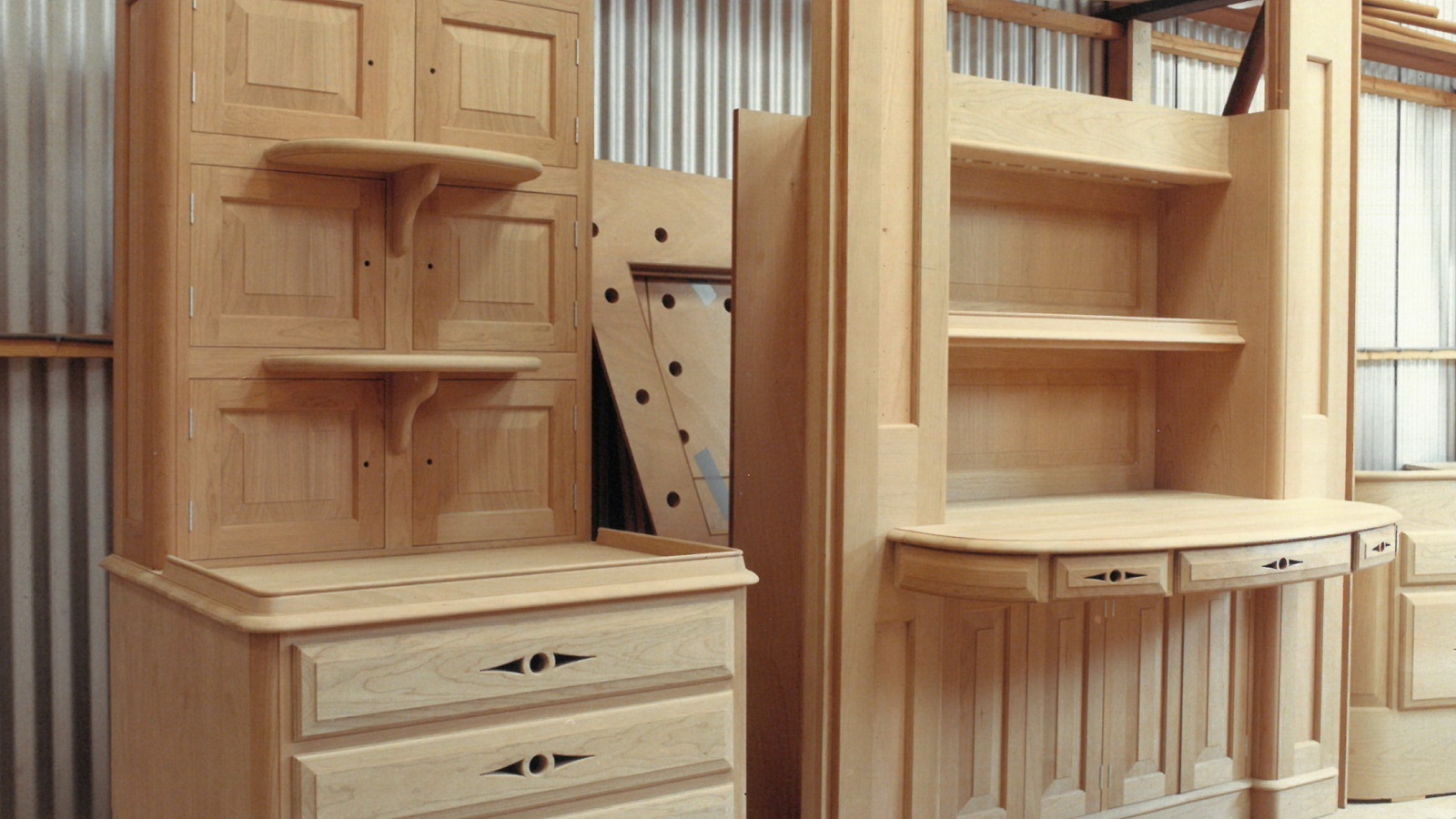
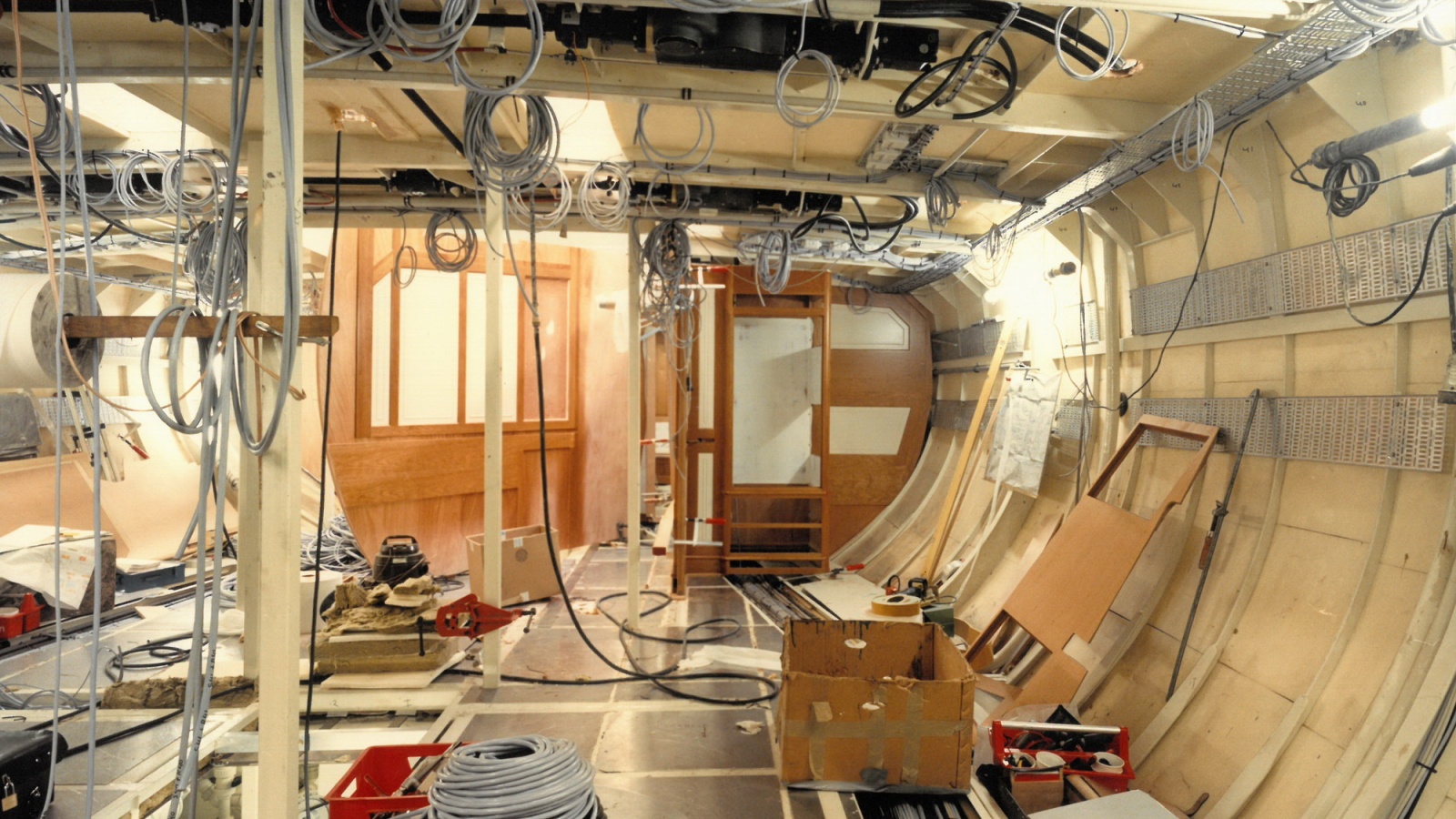
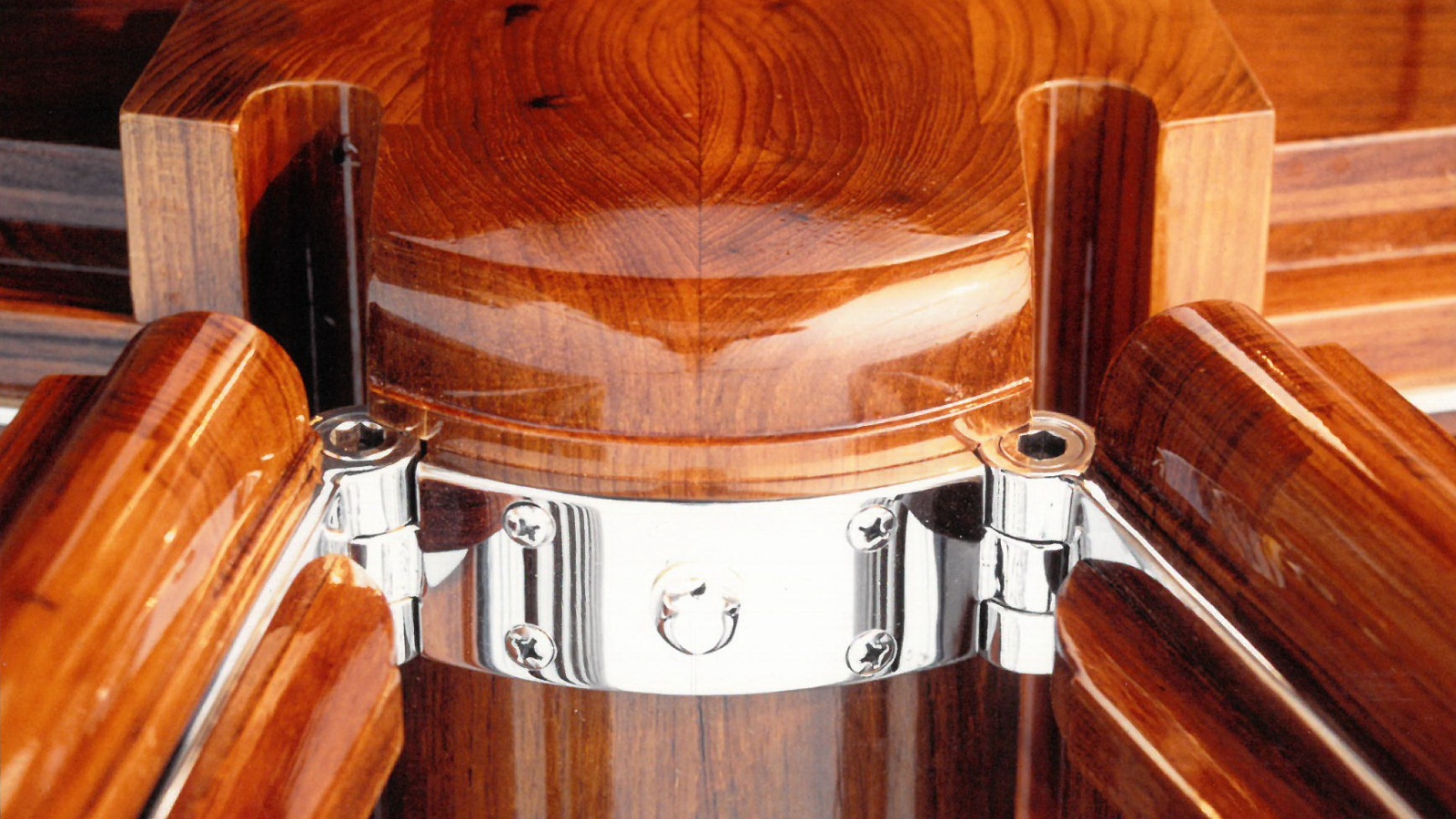
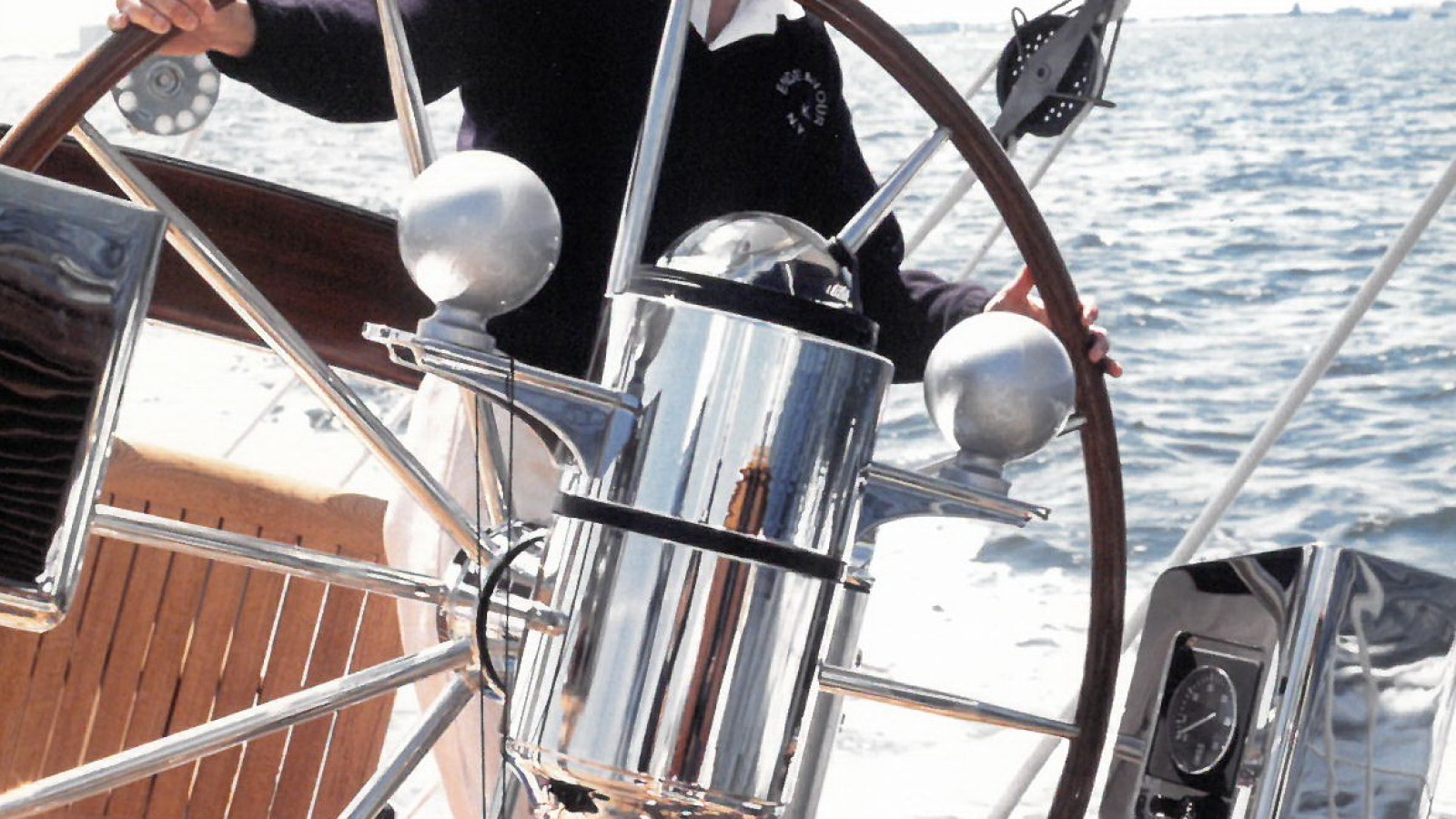
Elizabeth Meyer, Dykstra Naval Architects and the shipyard team aimed to reconstruct her original style and grace as carefully and respectfully as possible, inside and out, yet re-engineer and re-rig her with the latest materials and machinery for sensible, convenient and safe operation. Below deck, John Munford created a truly fine interior of cherry cabinetry.
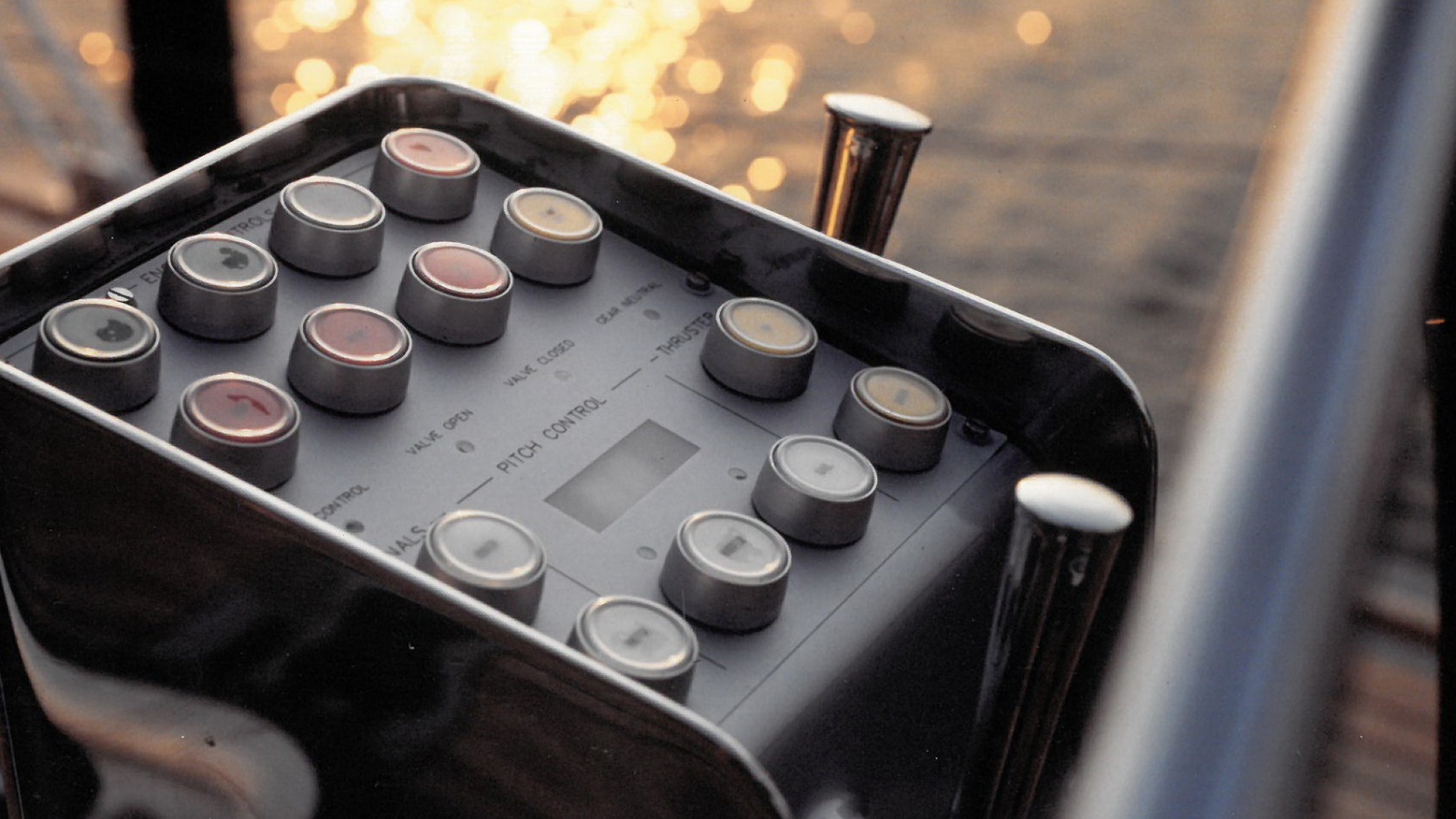
Behind and underneath the fine woodwork, the shipyard’s engineers managed to squeeze in, without compromising to space, engine, generators, heating, air conditioning and more.
A new build
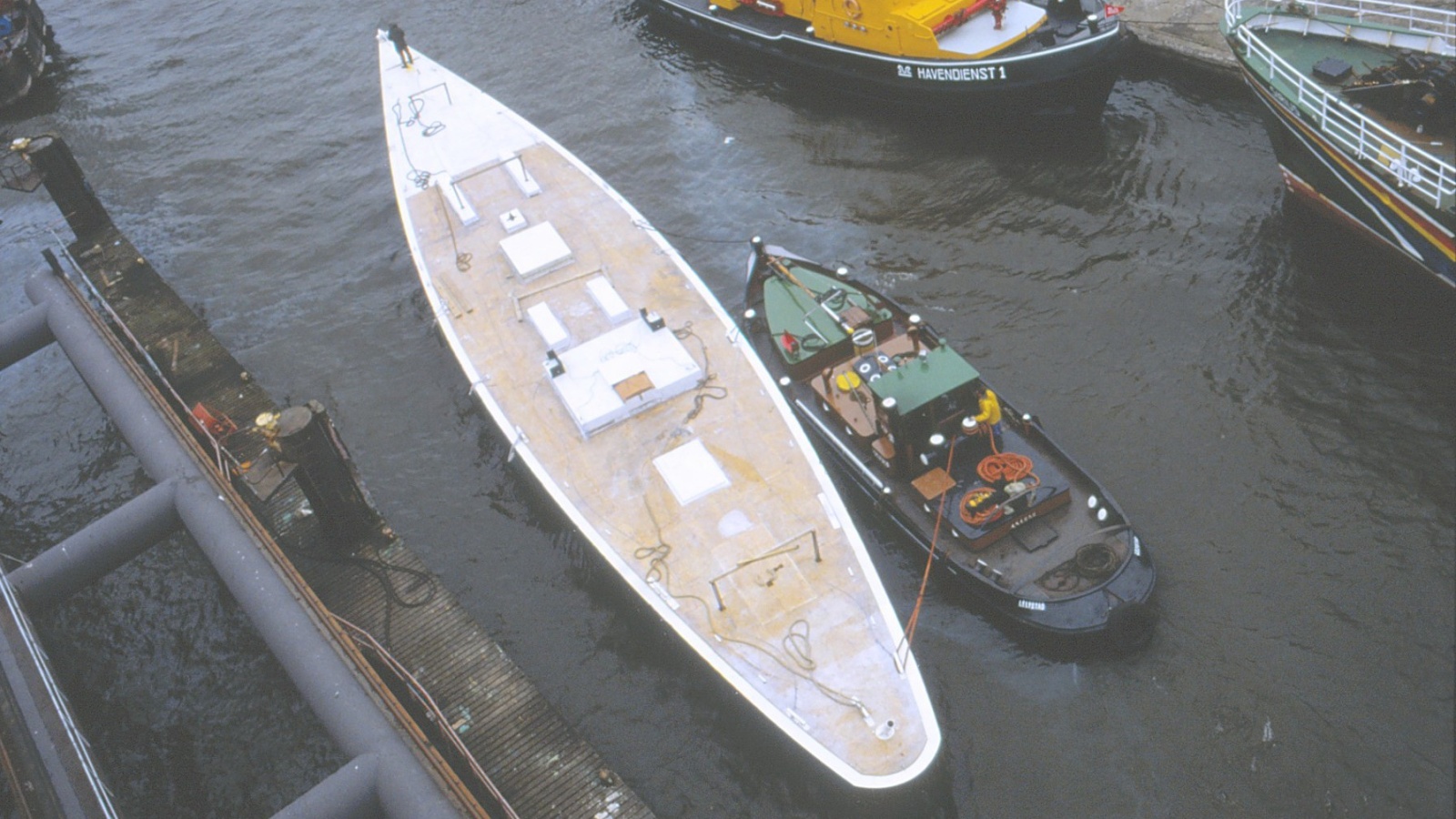
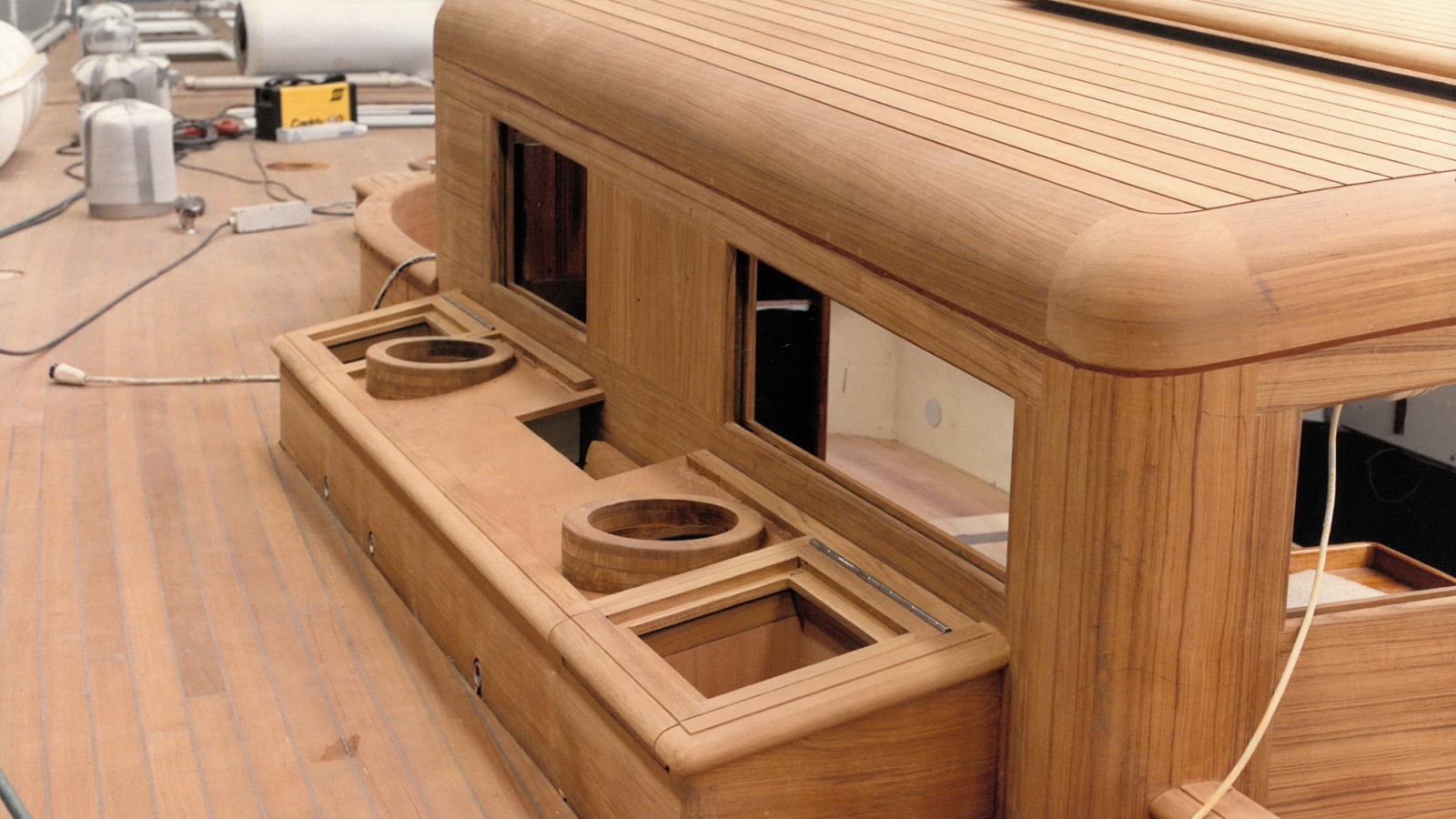
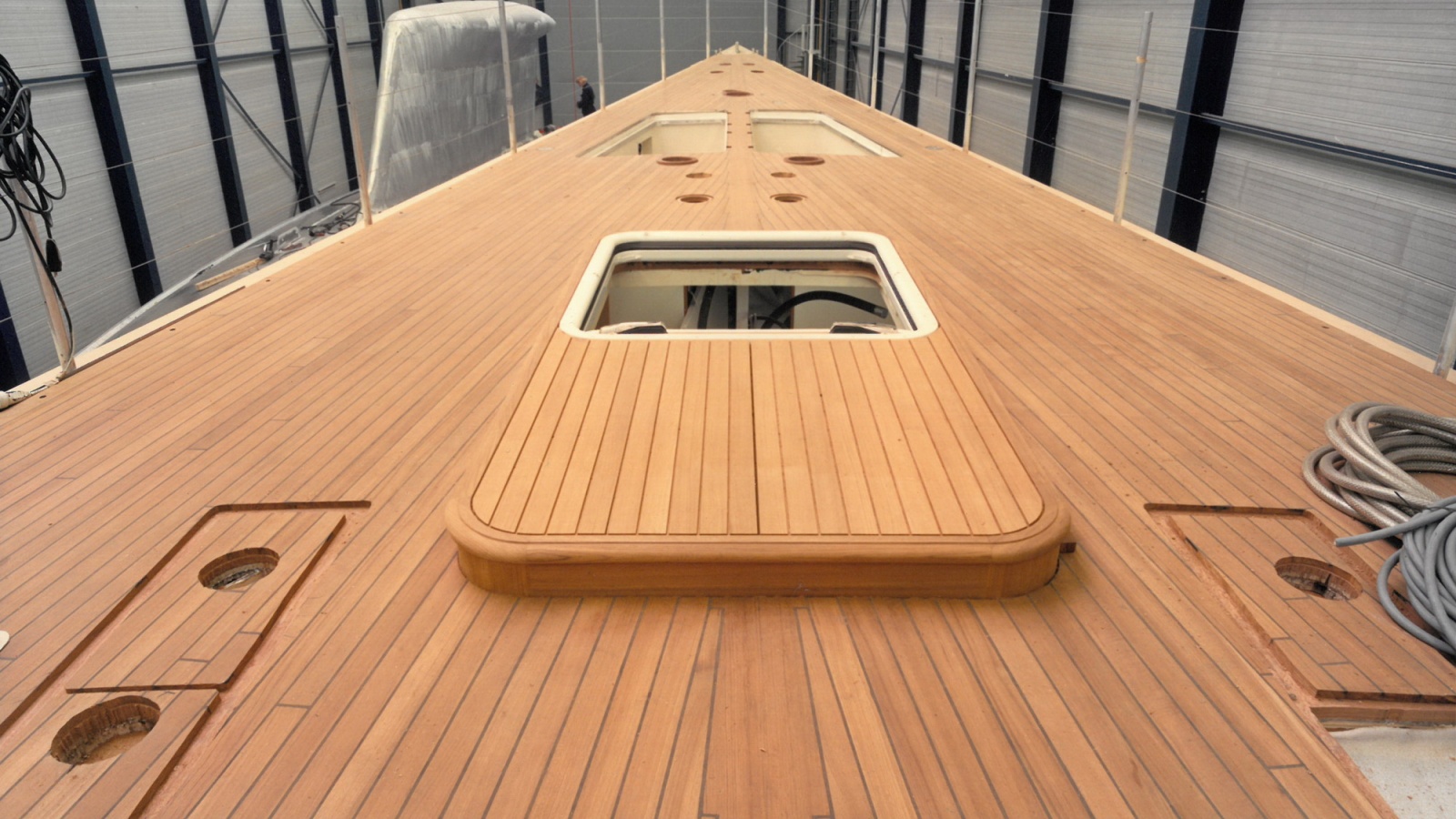
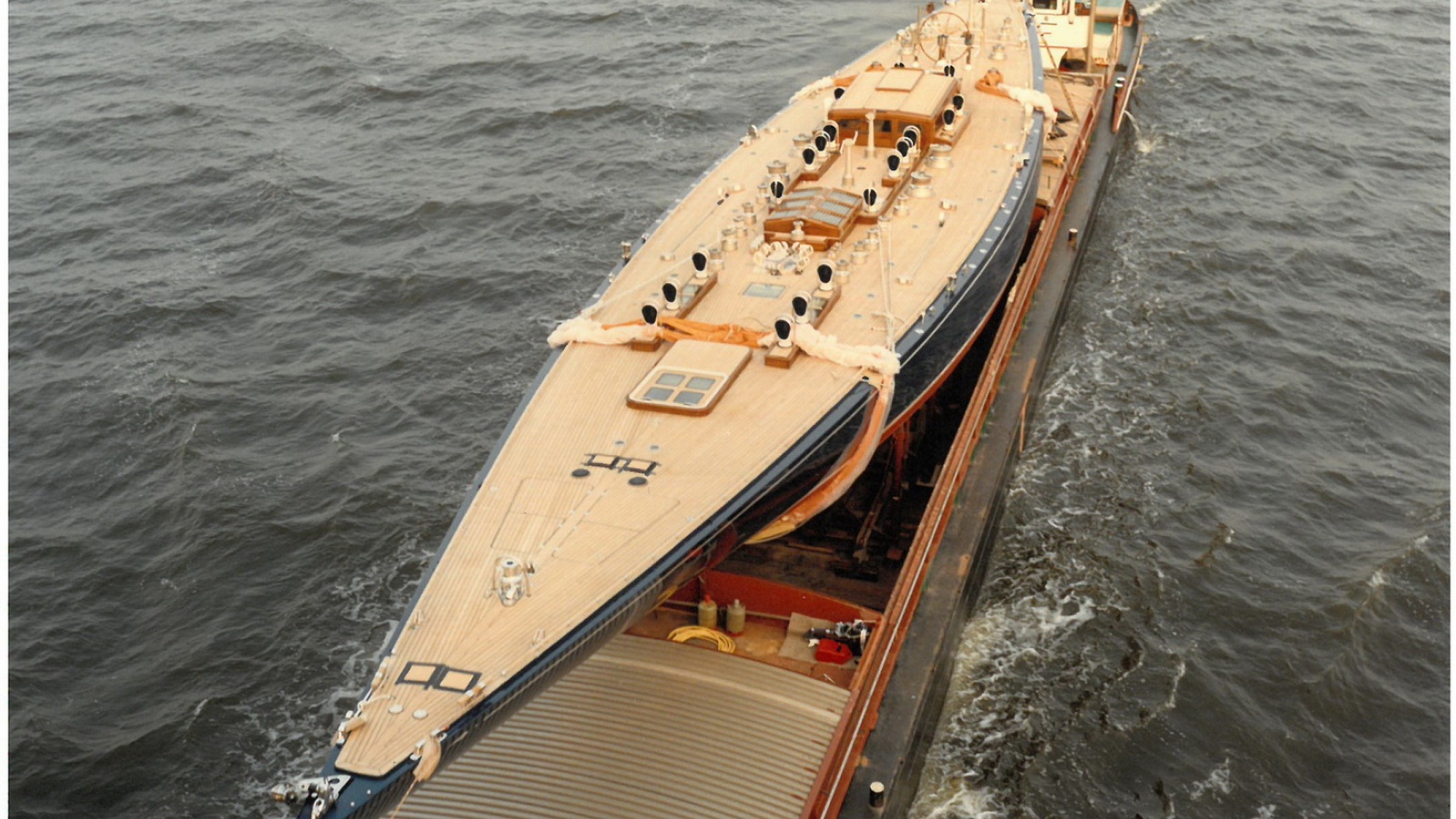
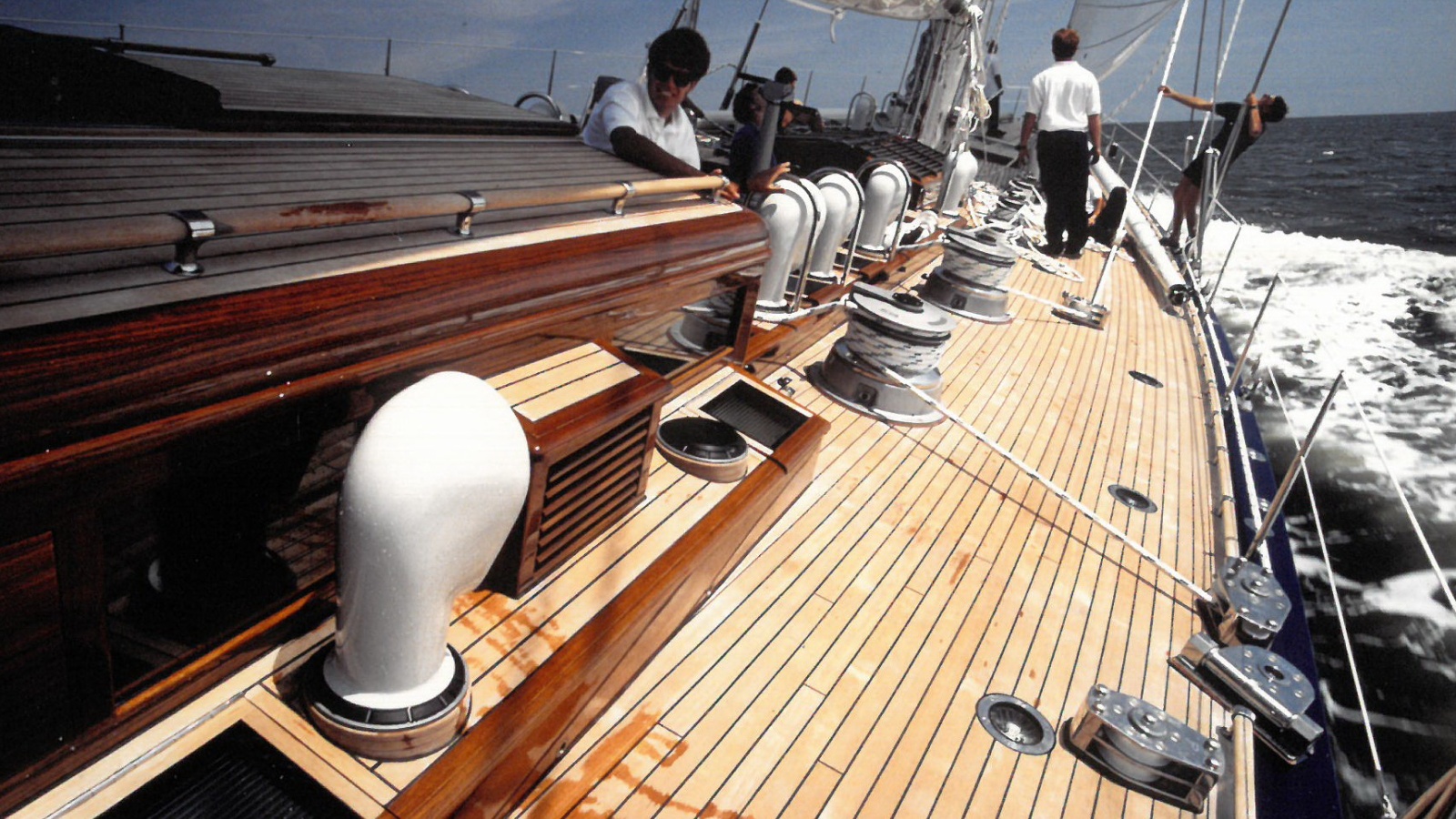
”Under the supervision of naval architect Gerry Dykstra and interior designer John Munford, the shipyard team created an entirely new deck, interior, rig and sailing gear, rebuilt “as faithfully as possible to the spirit of the original.” It wasn’t only a matter of craftsmanship — it was also innovation.
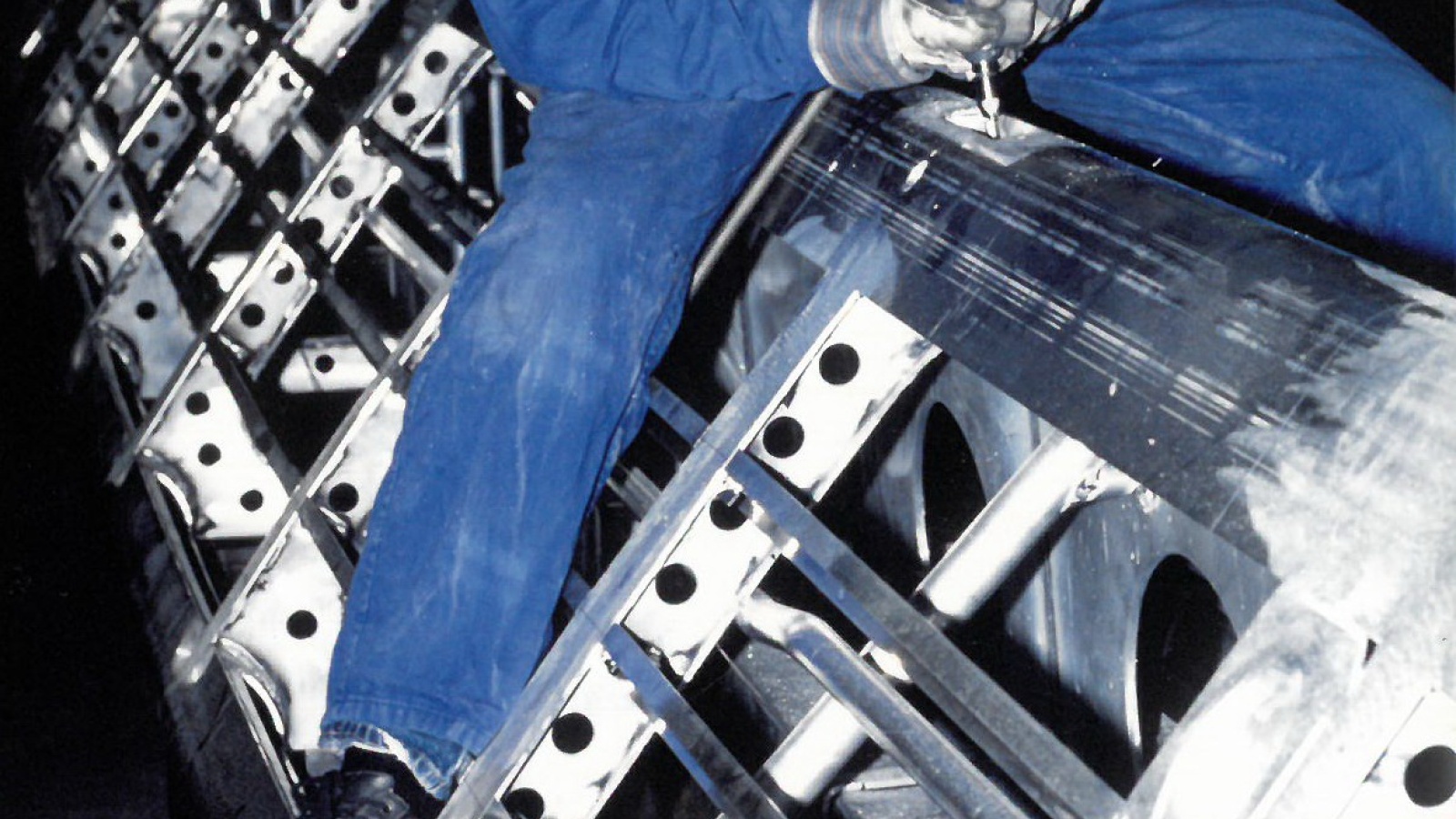
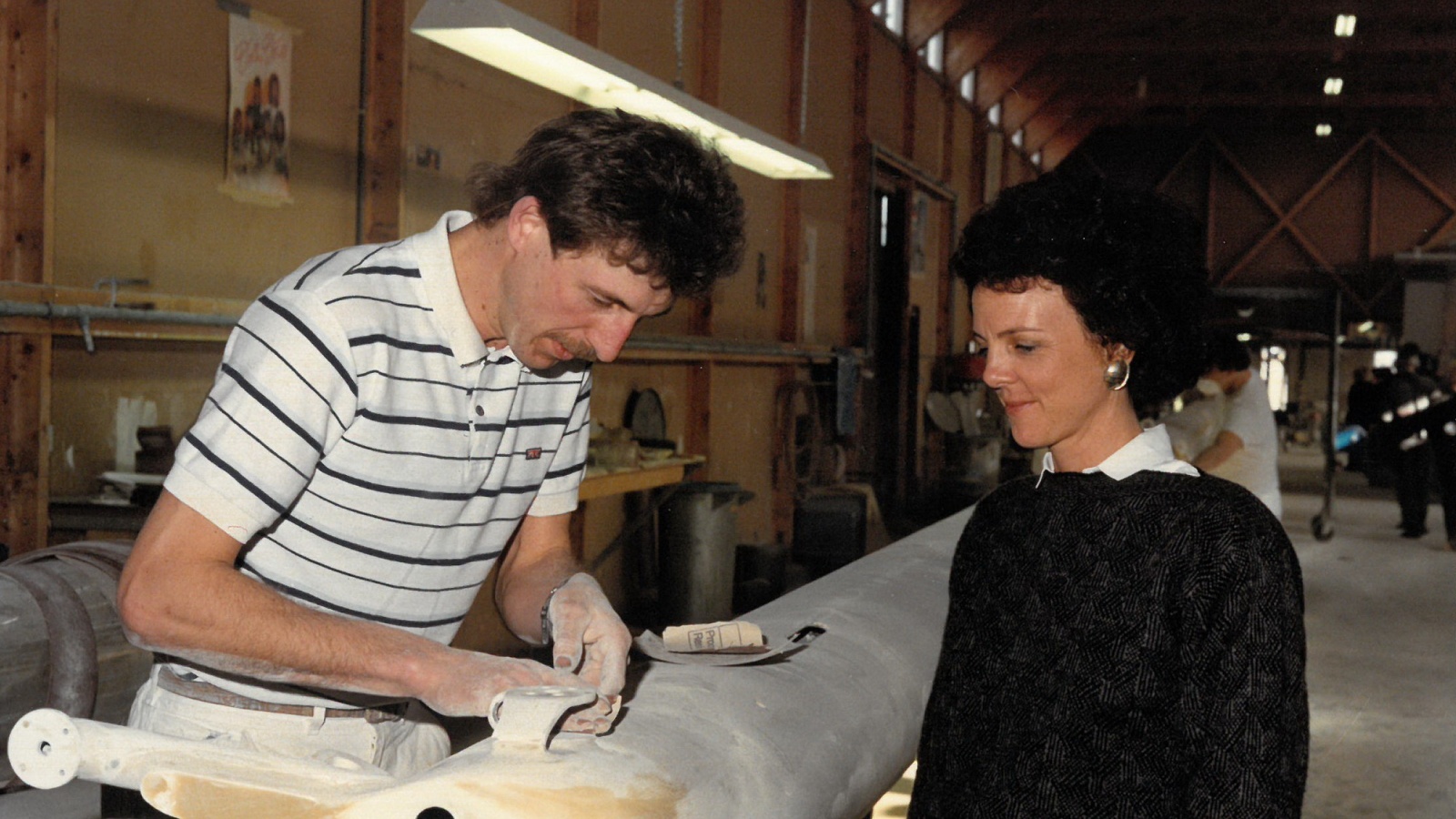
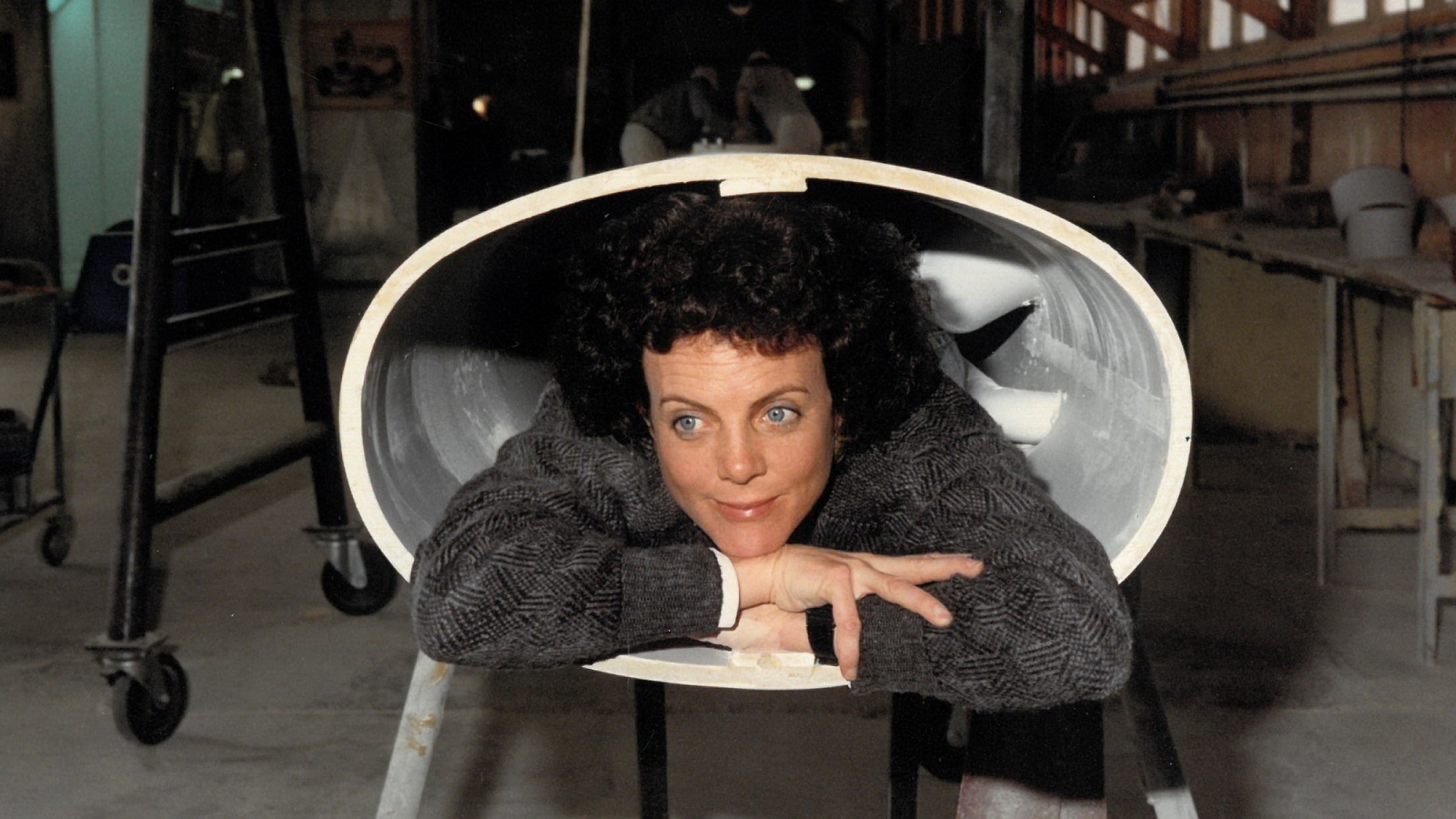
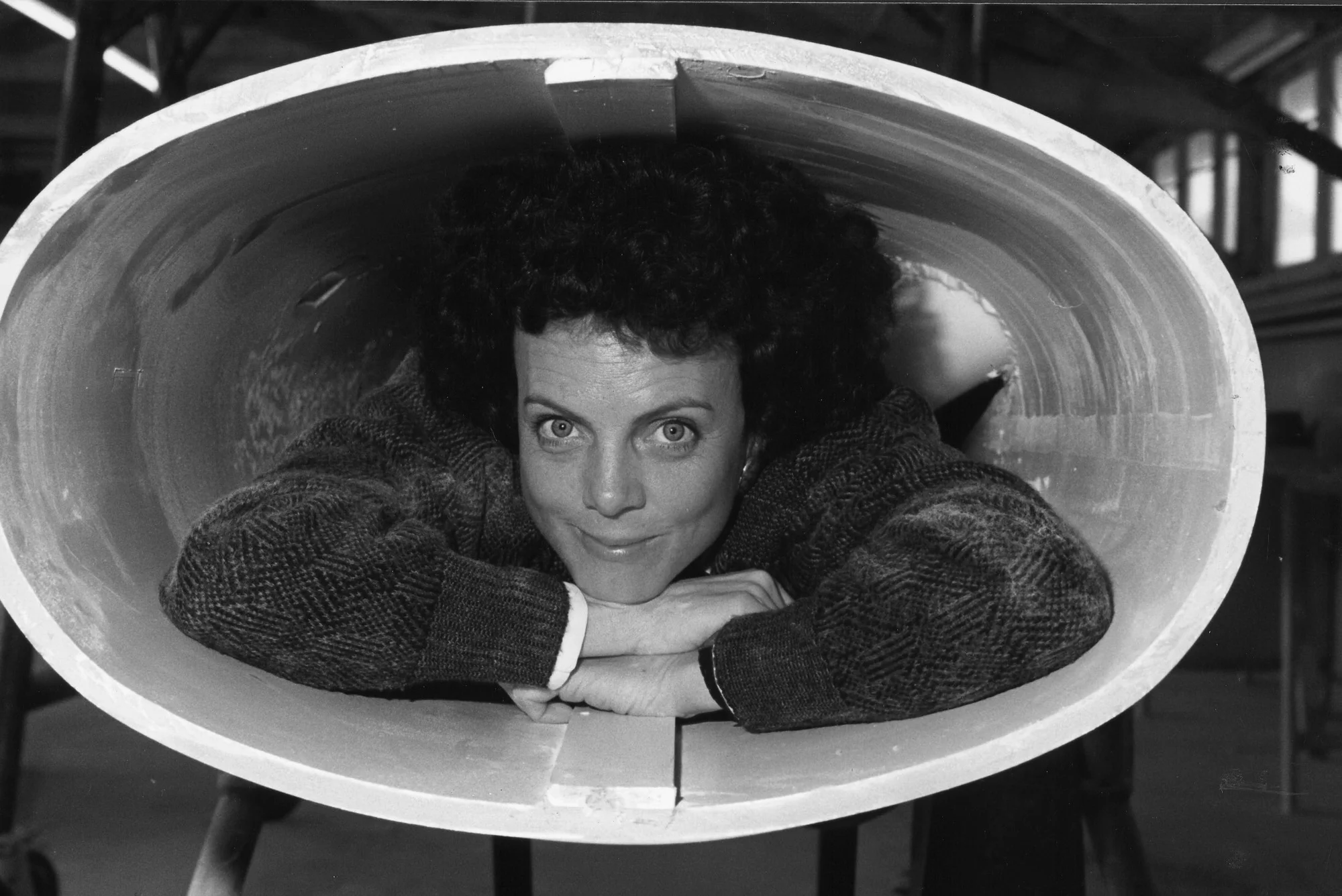
The shipyard’s sister company Rondal built the 53m mast for Endeavour: its tallest to date. No standard commercial profile could accommodate the section, and producing a custom extrusion for a single mast was not viable. Instead, Wolter Huisman opted to construct the mast from curved aluminum plates. The approach offered clear advantages: varying plate thicknesses allowed for a smooth, accurate taper, reduced overall weight, and lowered the mast’s center of gravity. The new mast also marked a decisive step toward taller, fully custom-made rigs. Dozens of masts followed using the same technique, including those for Cyclos III and Juliet.
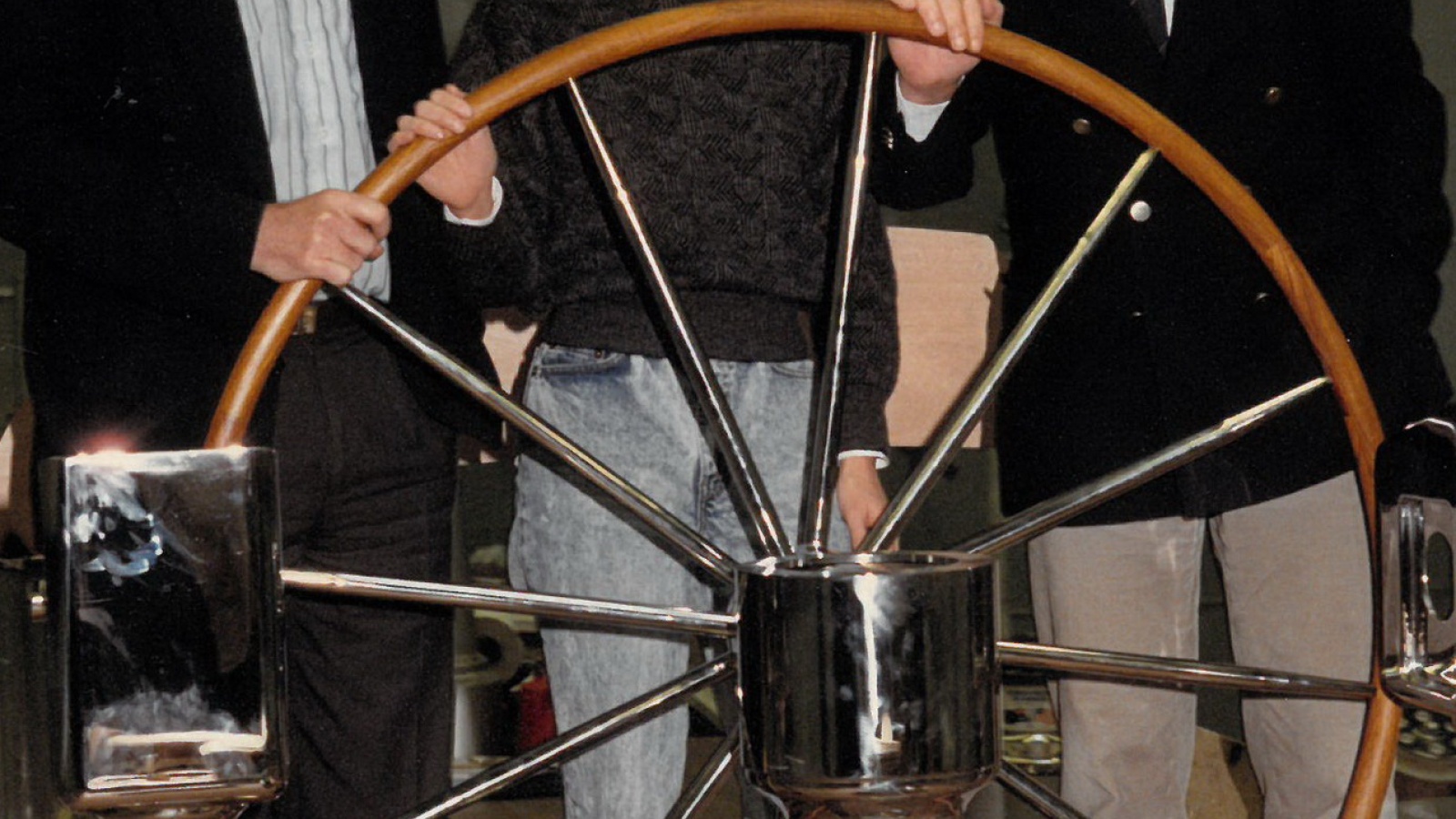
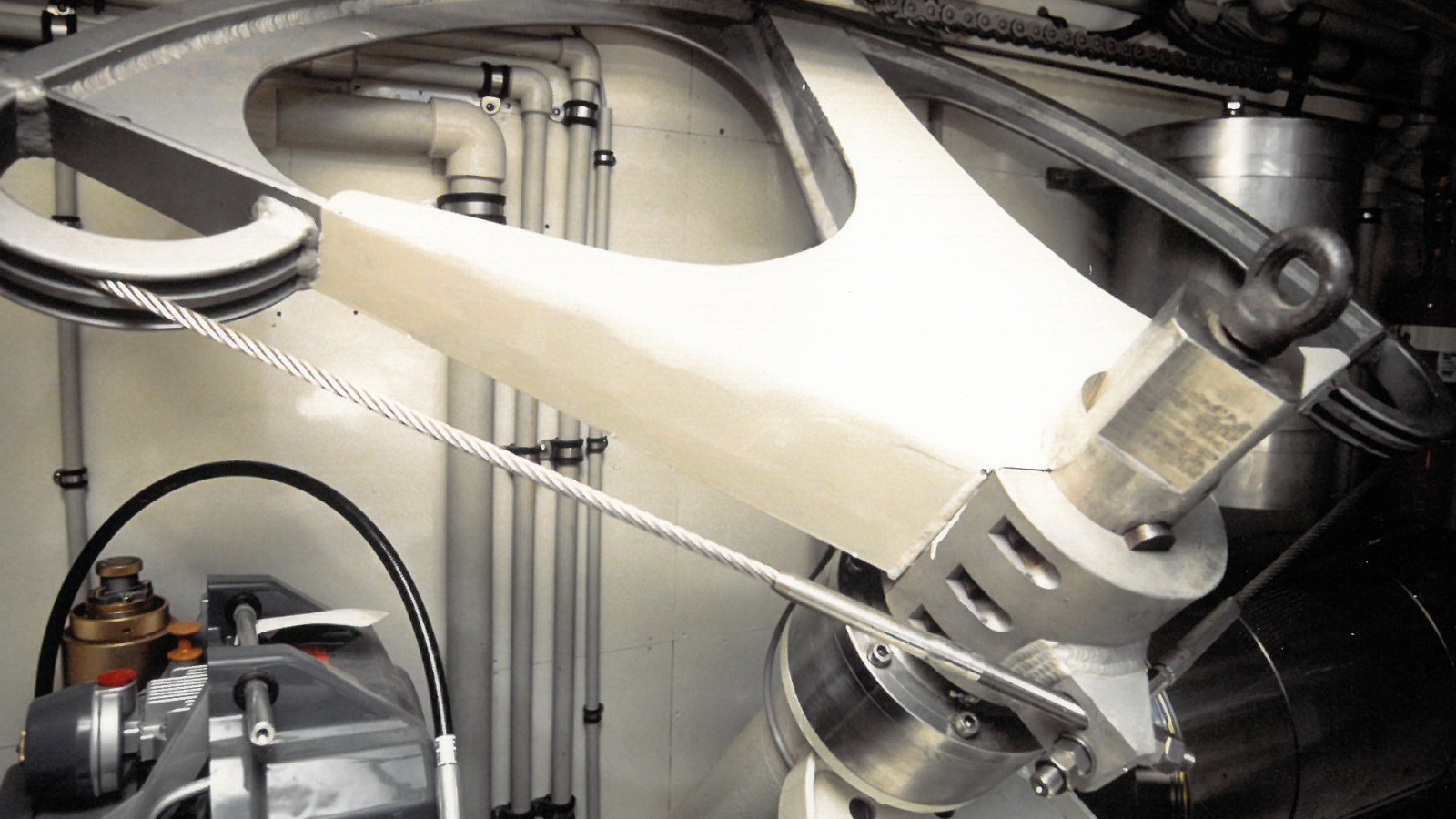
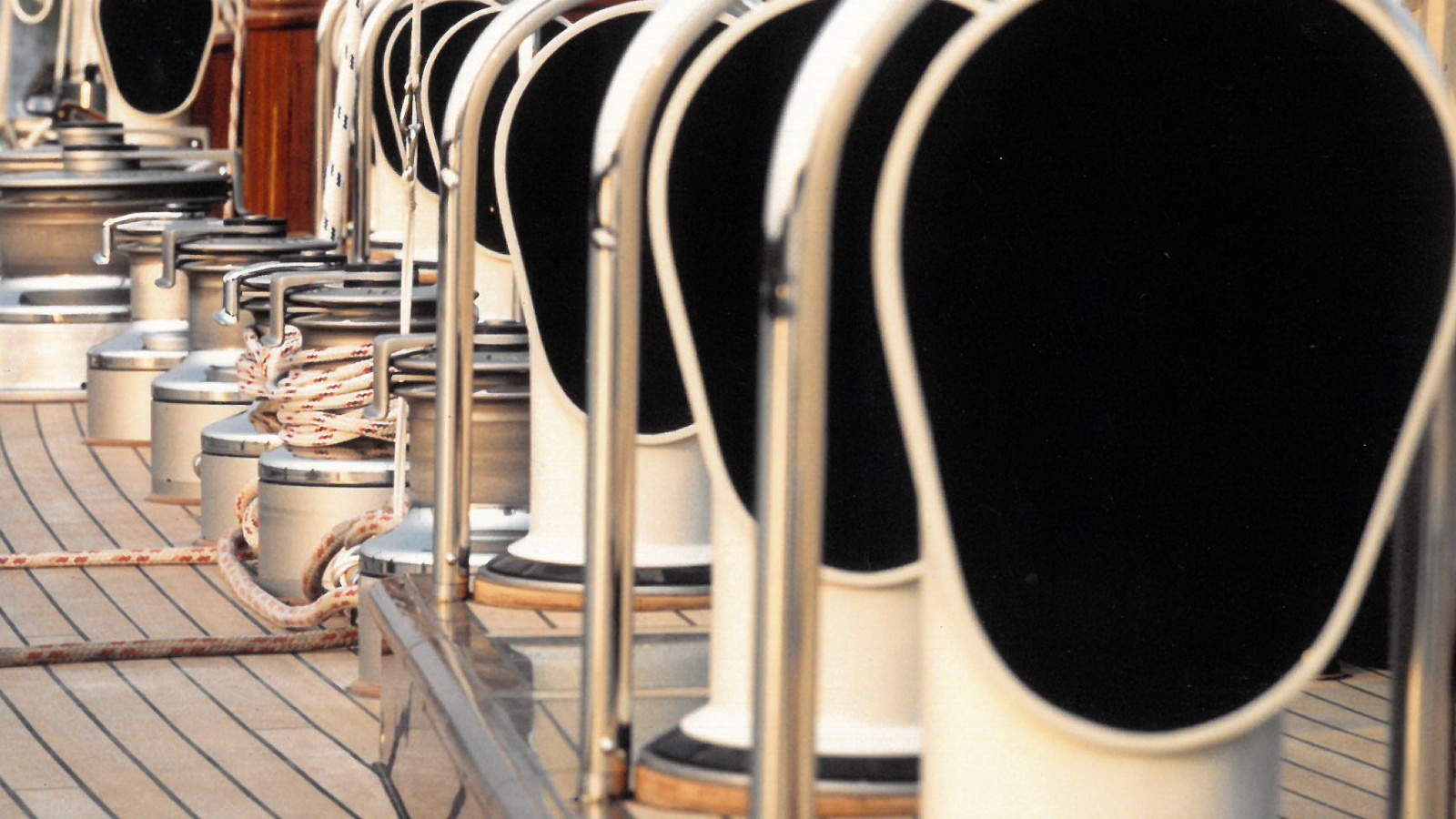
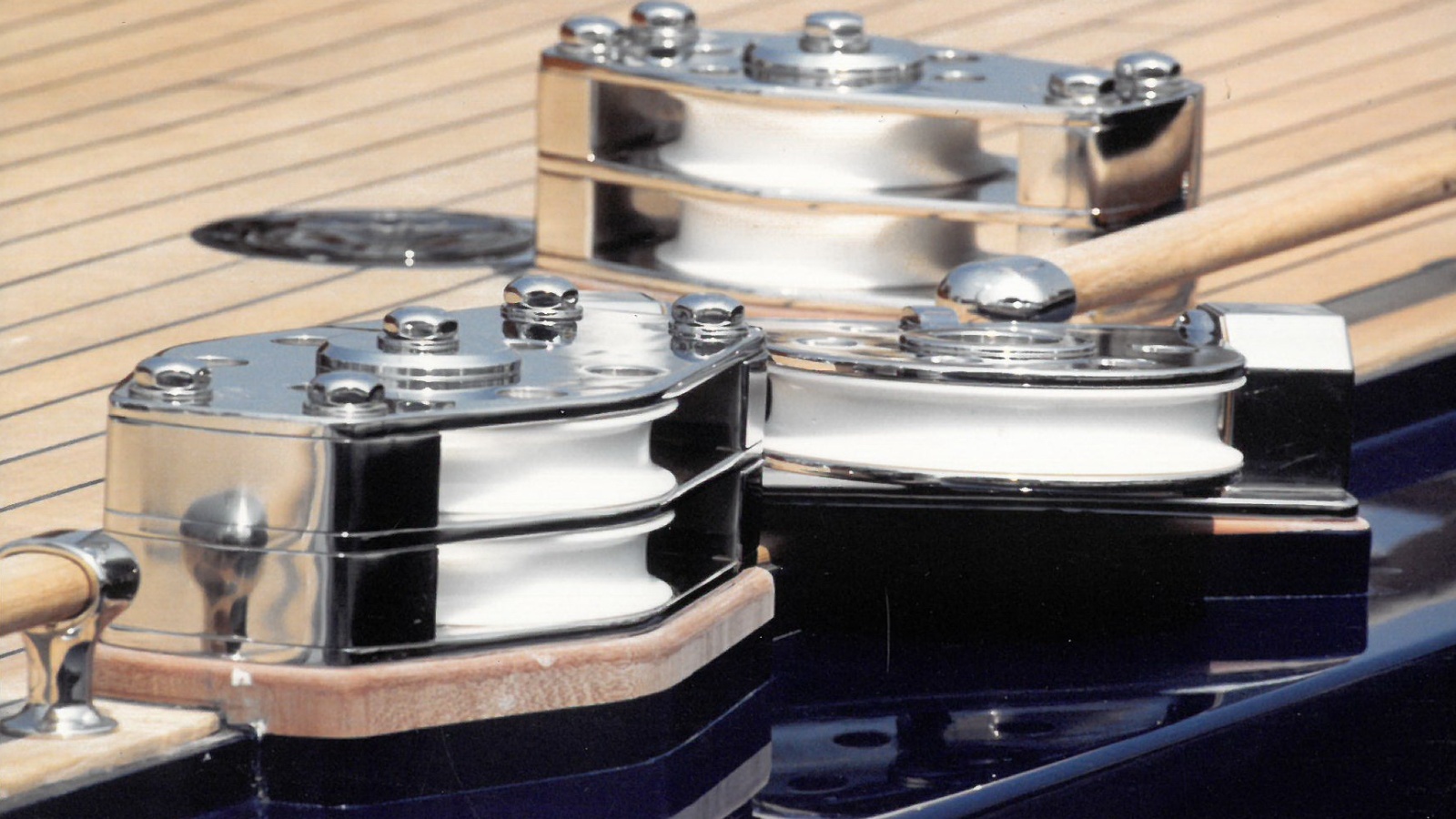
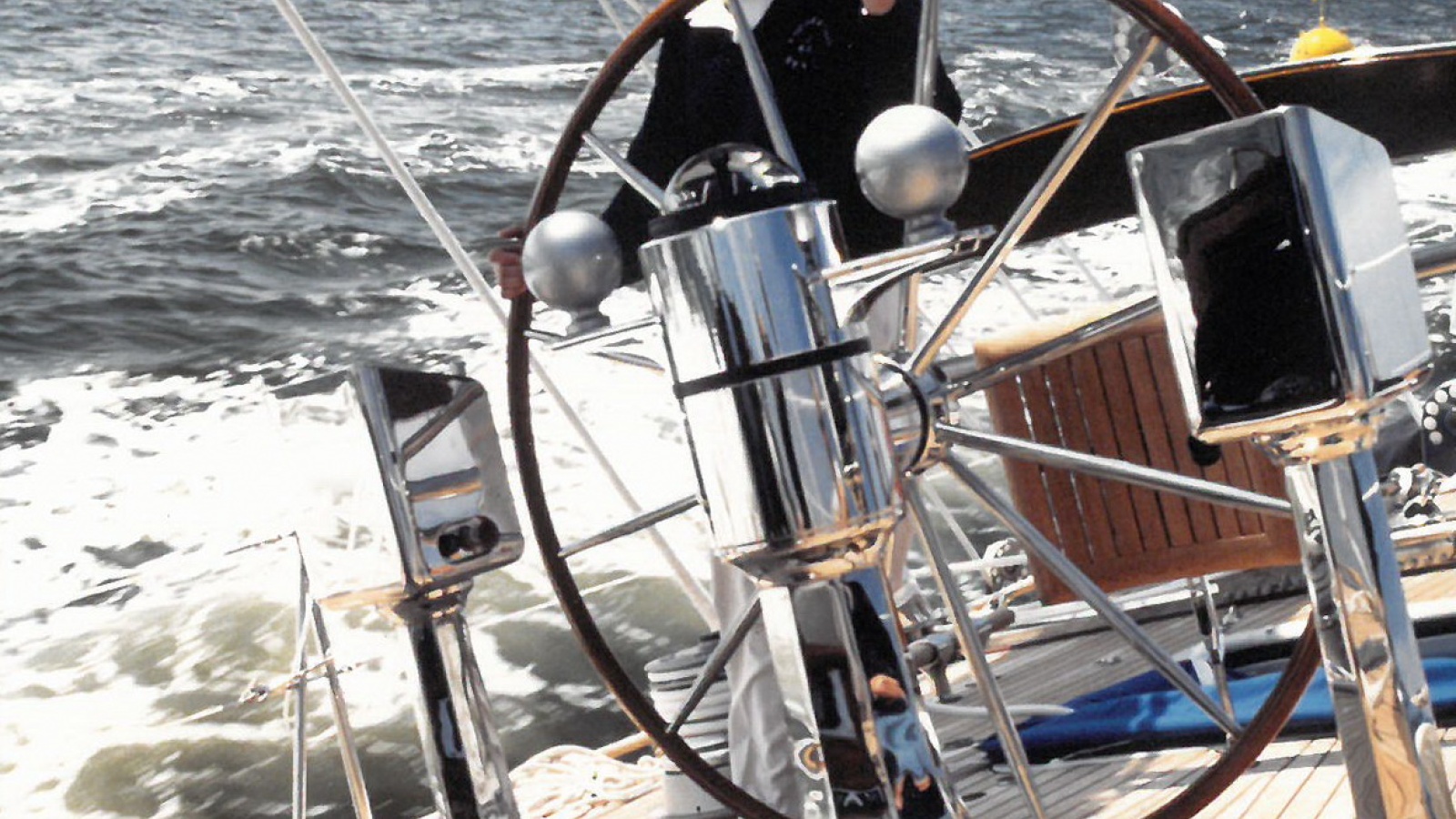
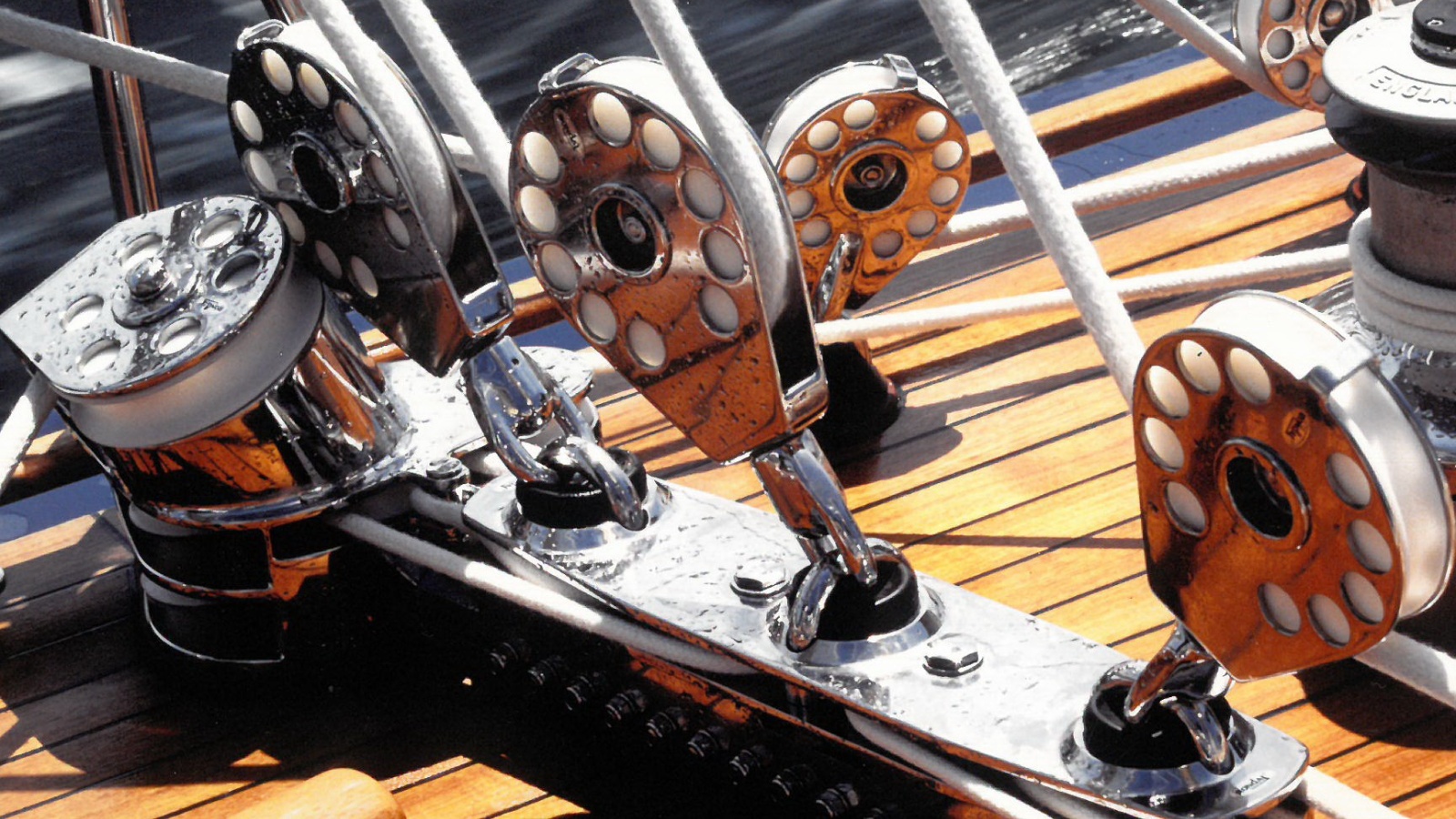
As Dykstra later put it: “Everything had to be invented for a boat of this size.” Sail-handling systems “had never been done before,” and the deck fittings, running gear and blocks were custom designed from scratch and build by Rondal too — so successful they were still being used years later and replicated for other J-Class projects. The result, after “tens of thousands of engineering and craft hours,” was not so much careful renovation as “a magnificent recreation.”
Steel, stubbornness, and a yacht left outside
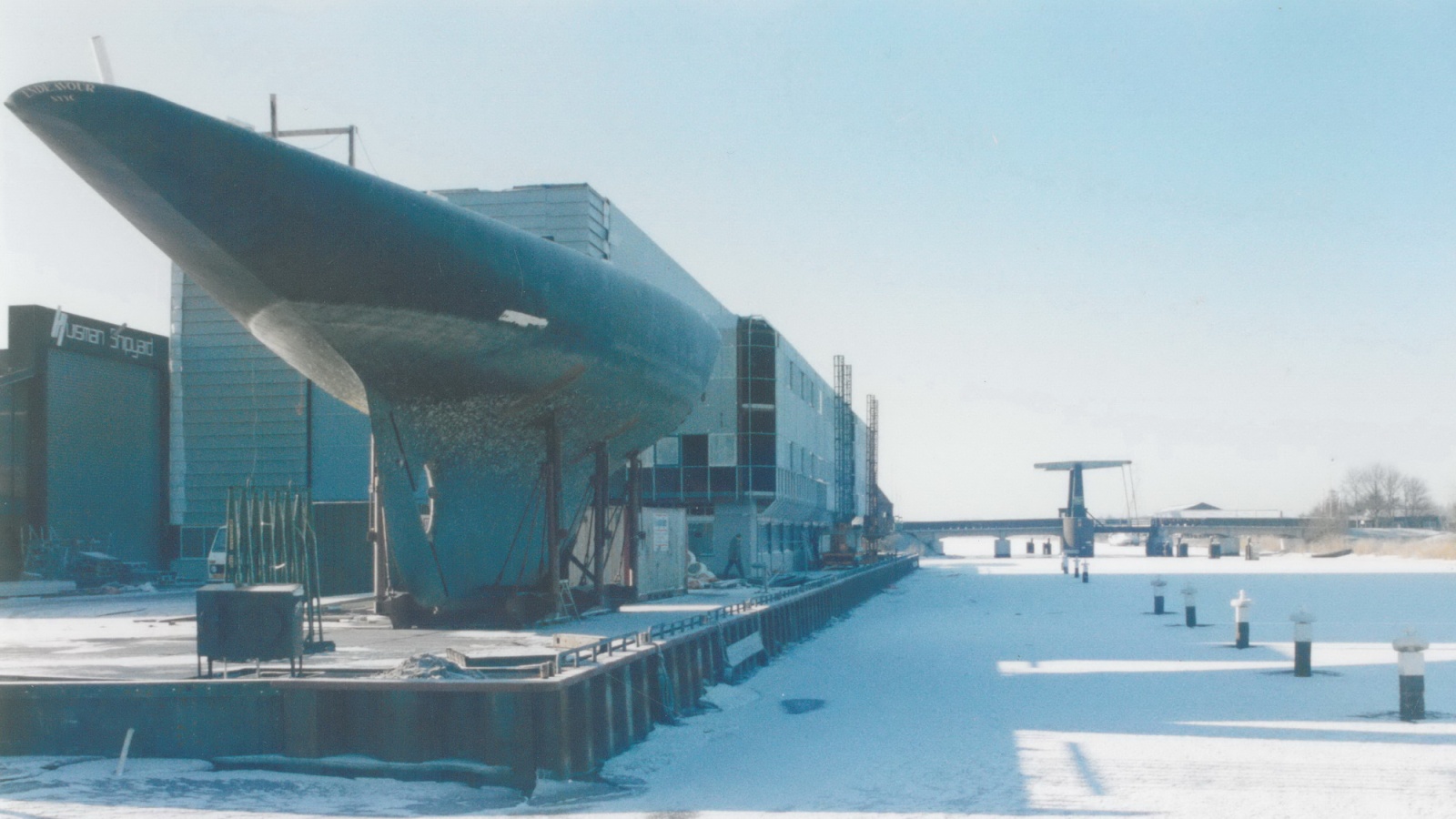
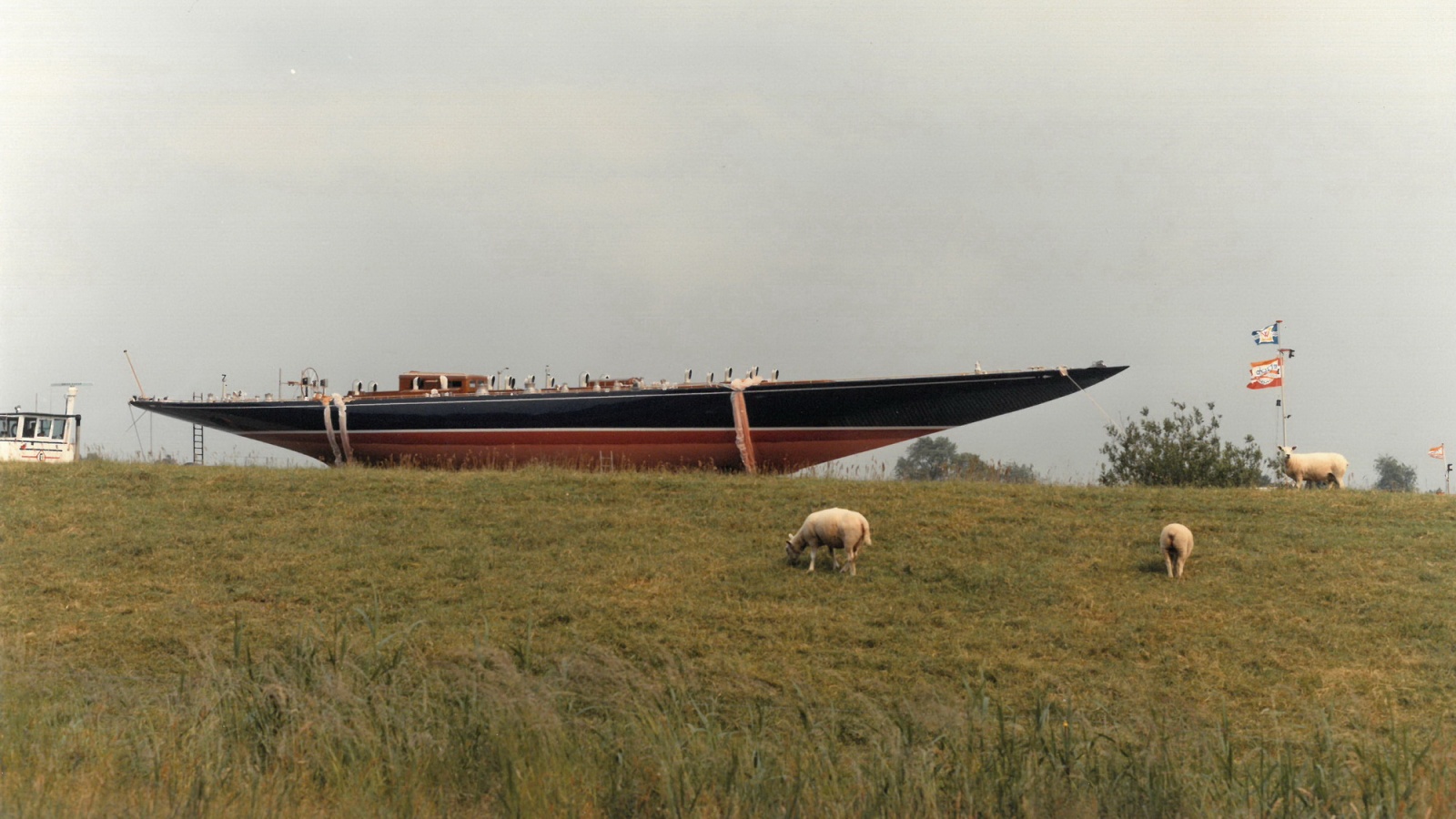
If the technical challenge was immense, the human story was just as compelling—starting with the fact that Royal Huisman’s legendary leader Wolter Huisman wasn’t exactly thrilled to house a large steel relic. John Munford recalled it plainly: “Wolter hated dirty, rusty steel… he wanted to keep Endeavour outside… she sat outside for more than a year.” That detail says a lot about the project: Endeavour demanded that a yard known for innovation and aluminum excellence embrace the stubborn realities of a historic steel hull — while still delivering Royal Huisman quality.
“Two strong characters”
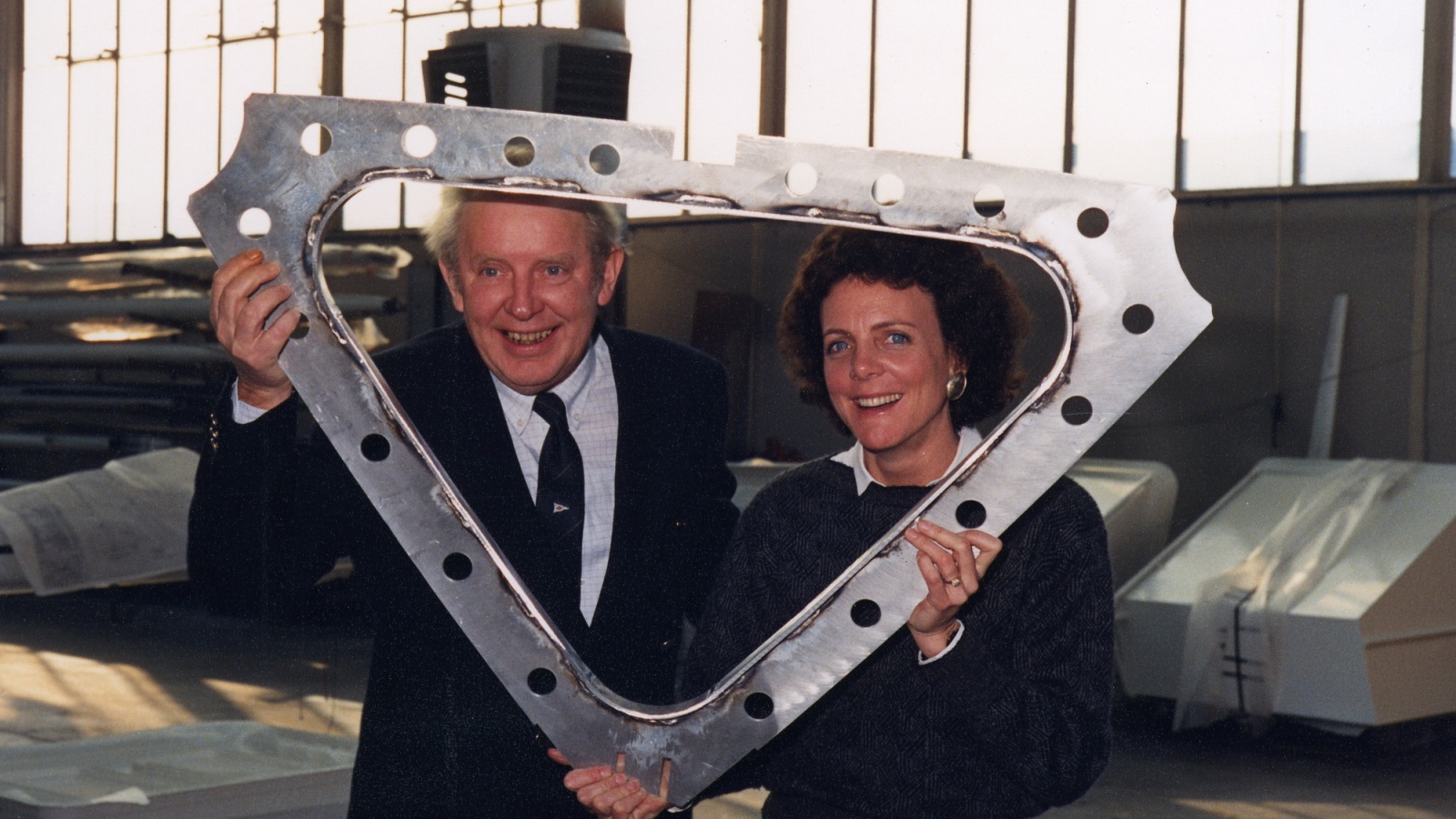
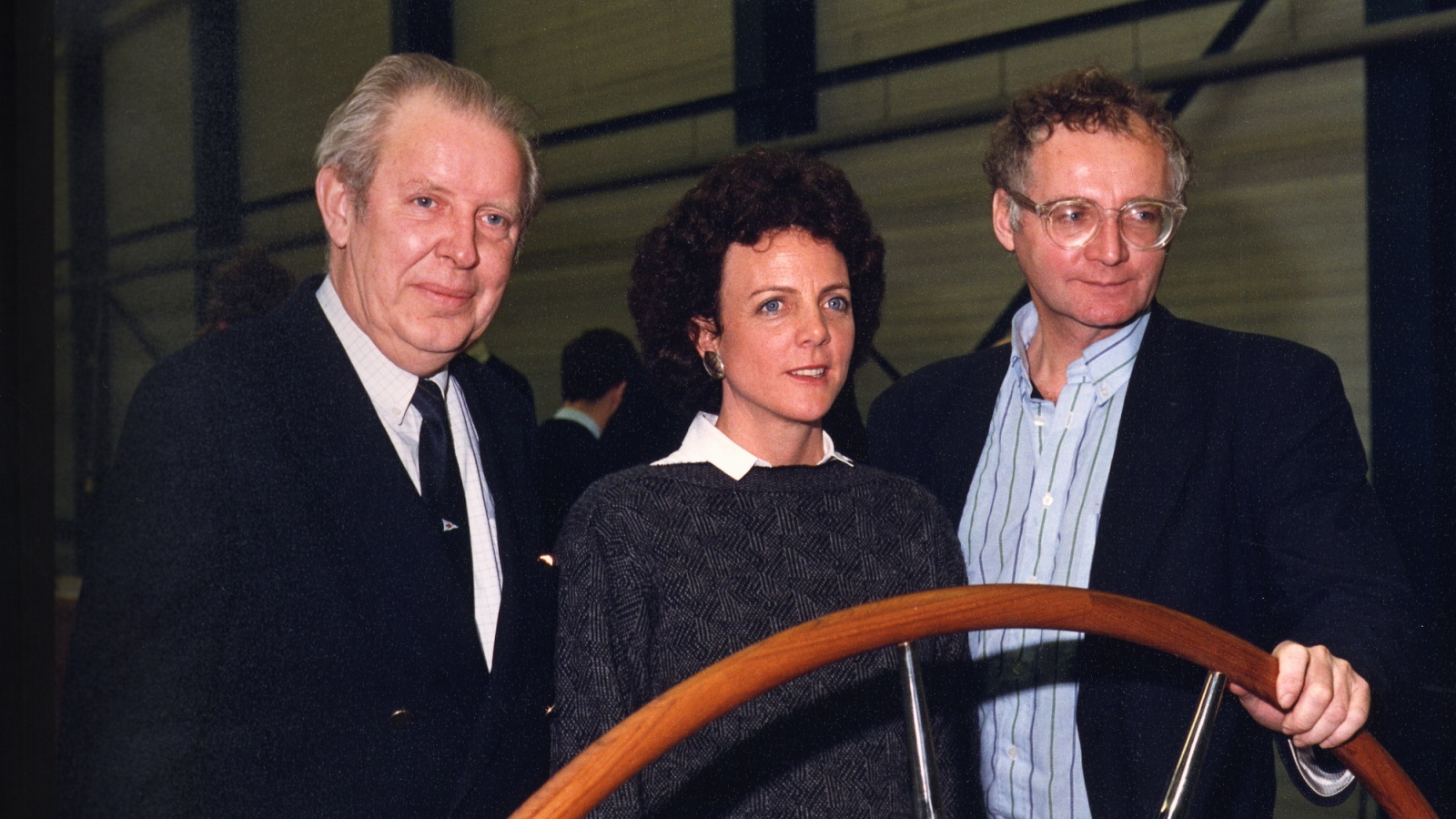
The rebuild also brought together two formidable personalities. The book describes early tension between Wolter Huisman and Elizabeth Meyer — both strong-willed, both deeply invested, and (in Meyer’s case) likely “a greater authority on J-Class yachts than the rest of the team put together.”
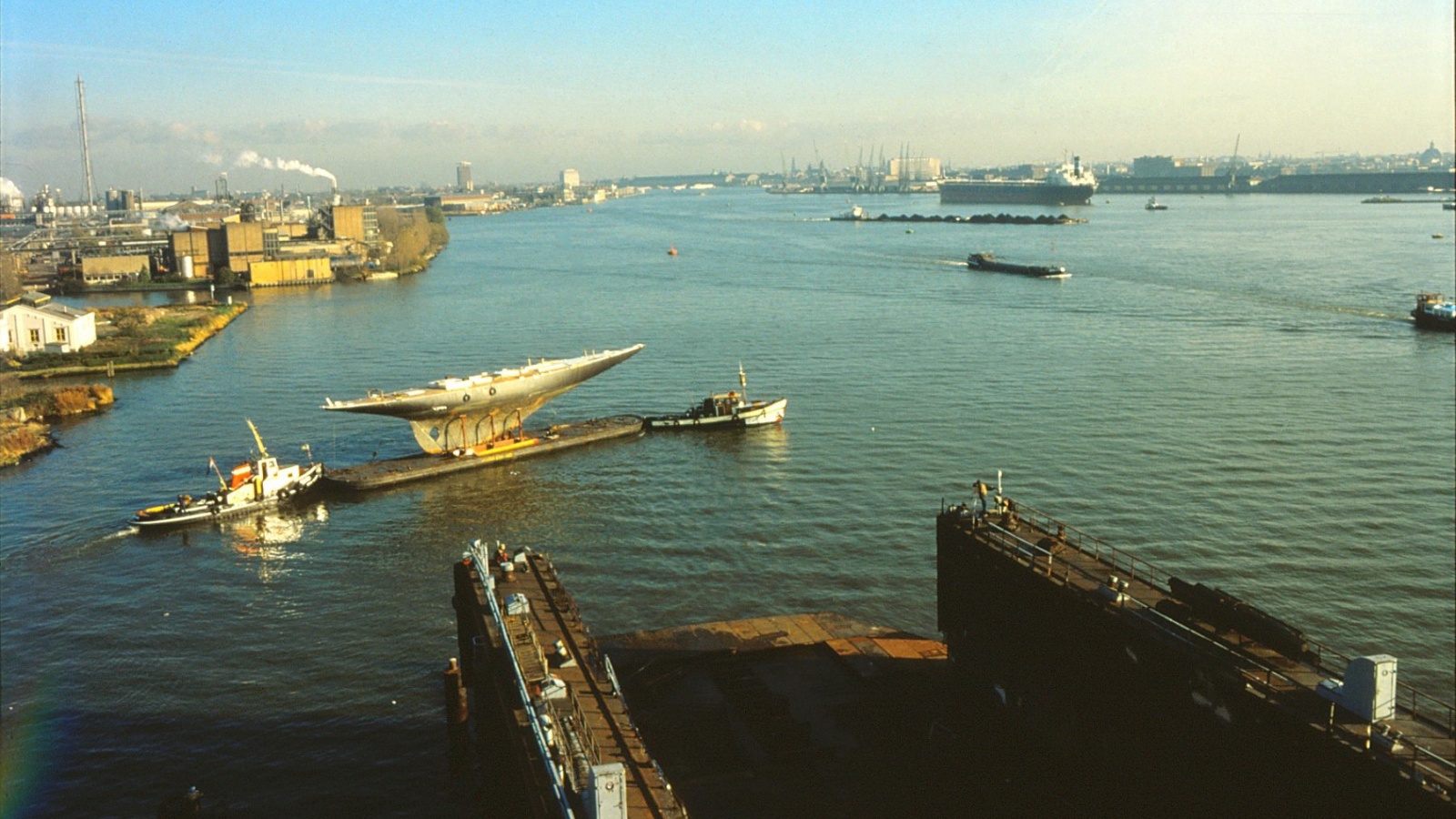
One disagreement became infamous: Meyer asked for classic dovetail joints in the backs of drawers. Huisman refused — because no one would see them, and to him it was wasted time and money. The argument escalated into what the text calls an explosive row, after which they stopped speaking, with Gerry Dykstra acting as shuttle diplomat between Meyer’s hotel and Huisman’s office. The most vivid anecdote, though, comes directly from Elizabeth Meyer. At breaking point, she recalls: “I’d had enough and started making arrangements for a barge to come and collect Endeavour from Vollenhove…”
And yet, for all the sparks, there was respect underneath — the relationship is described as having the feel of a volatile father-daughter dynamic, with warmth beneath the surface. By launch time, the story even had a quiet, human epilogue: Elizabeth Meyer paid a late evening visit to the Wolter Huismans’ home, where she sat on the floor and talked through the project’s success “over a few glasses” of Huisman’s favourite drink, jenever. Differences dissolved:
The pride of seeing her sail again
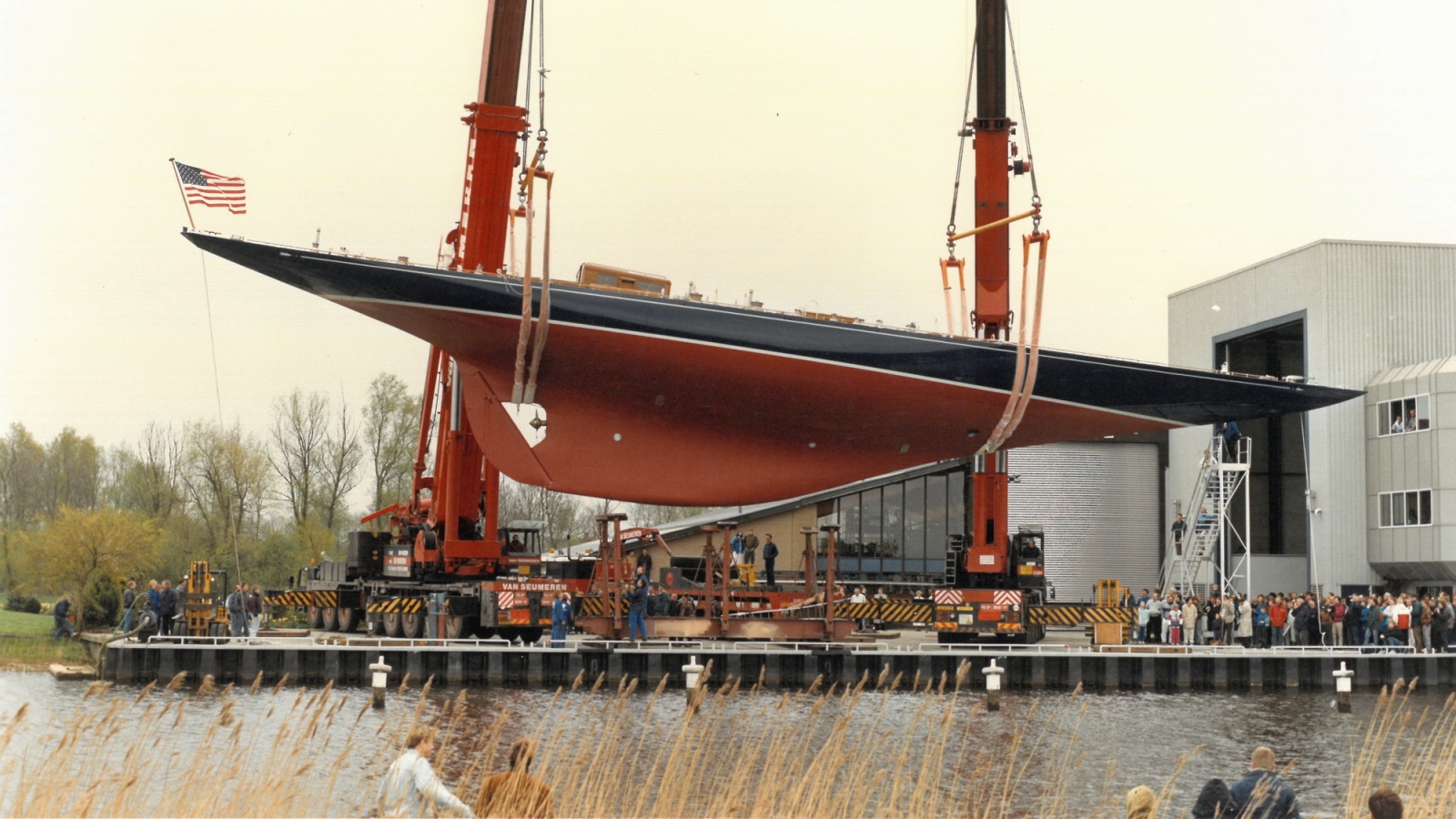
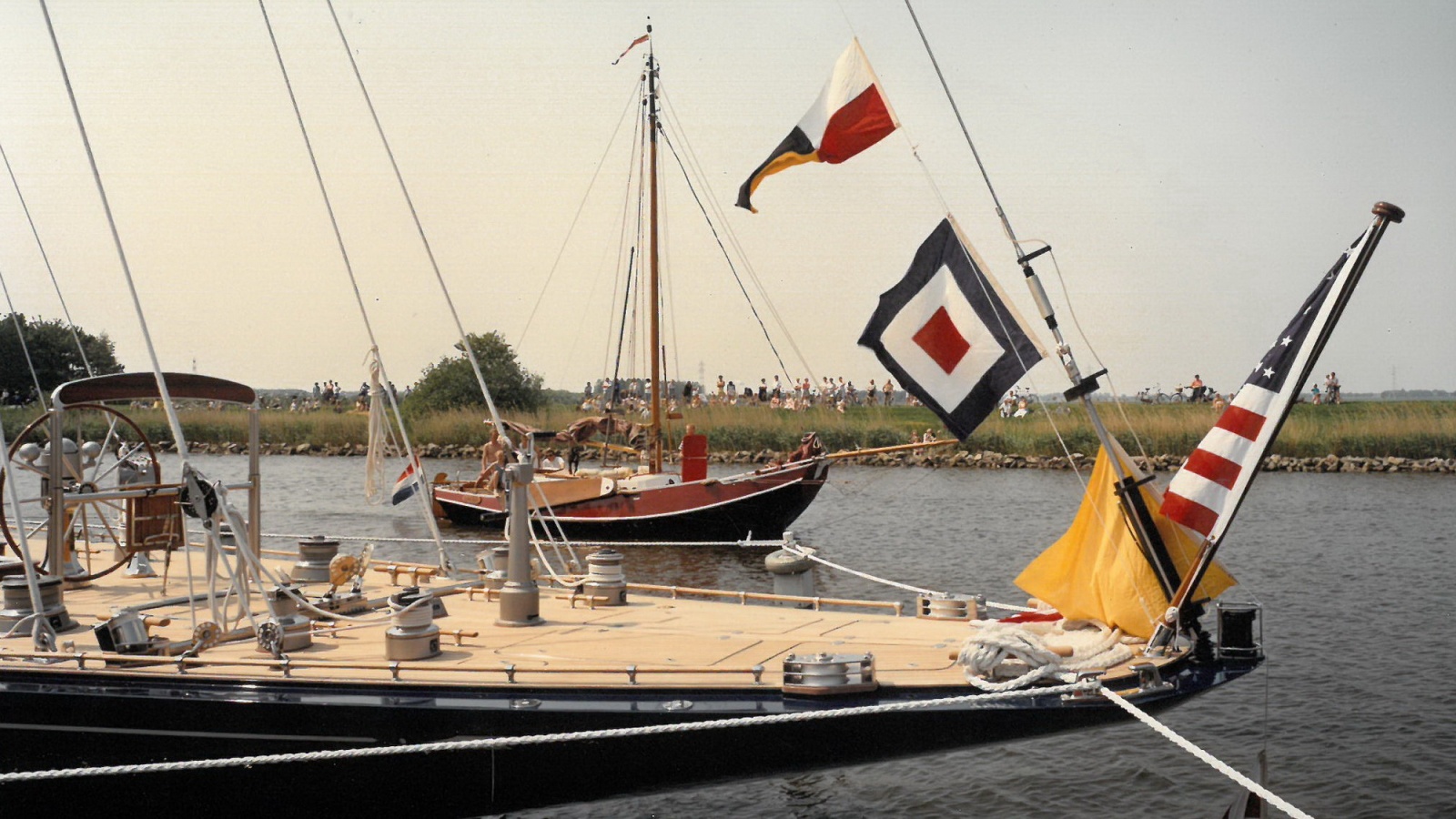
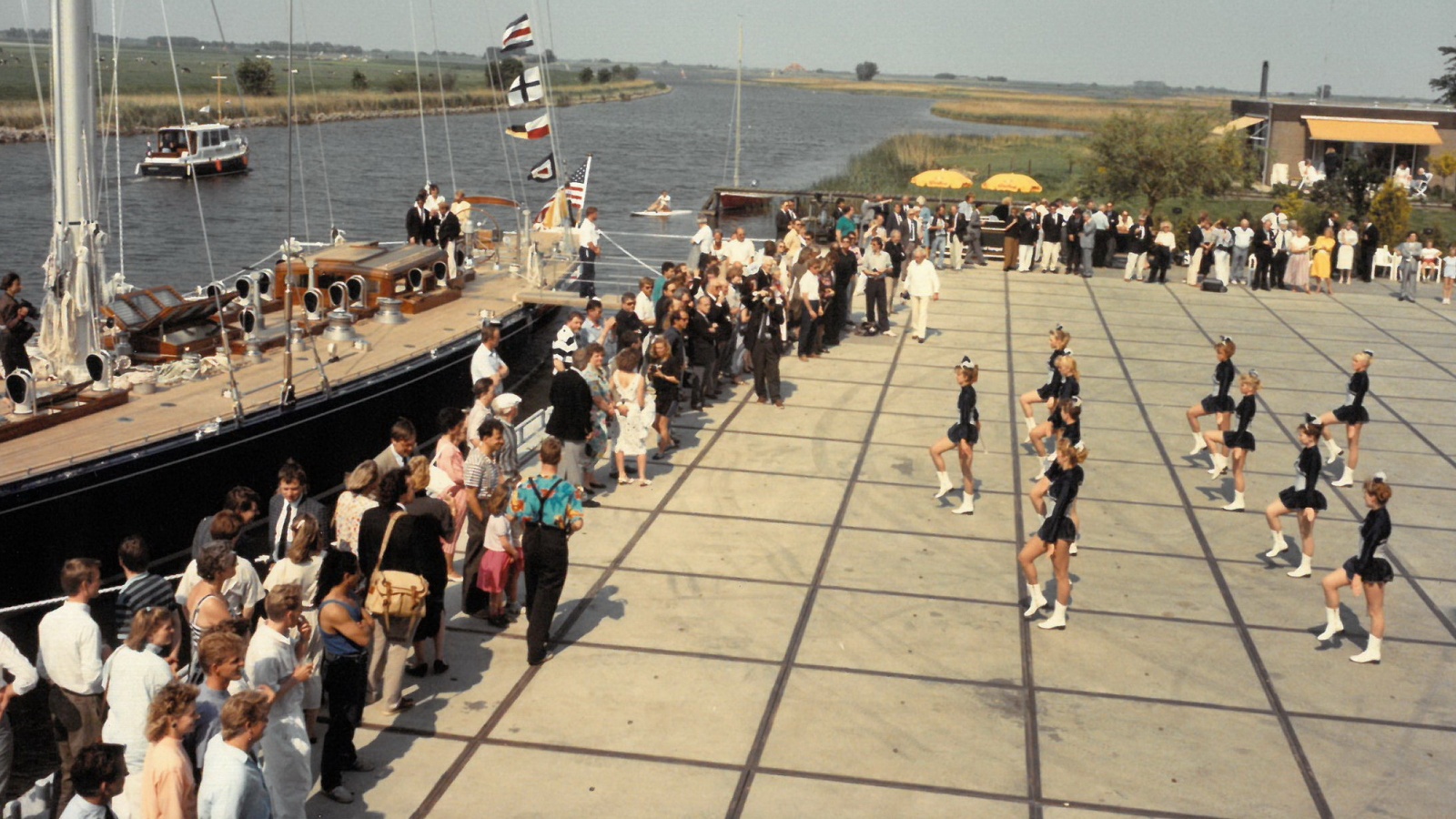
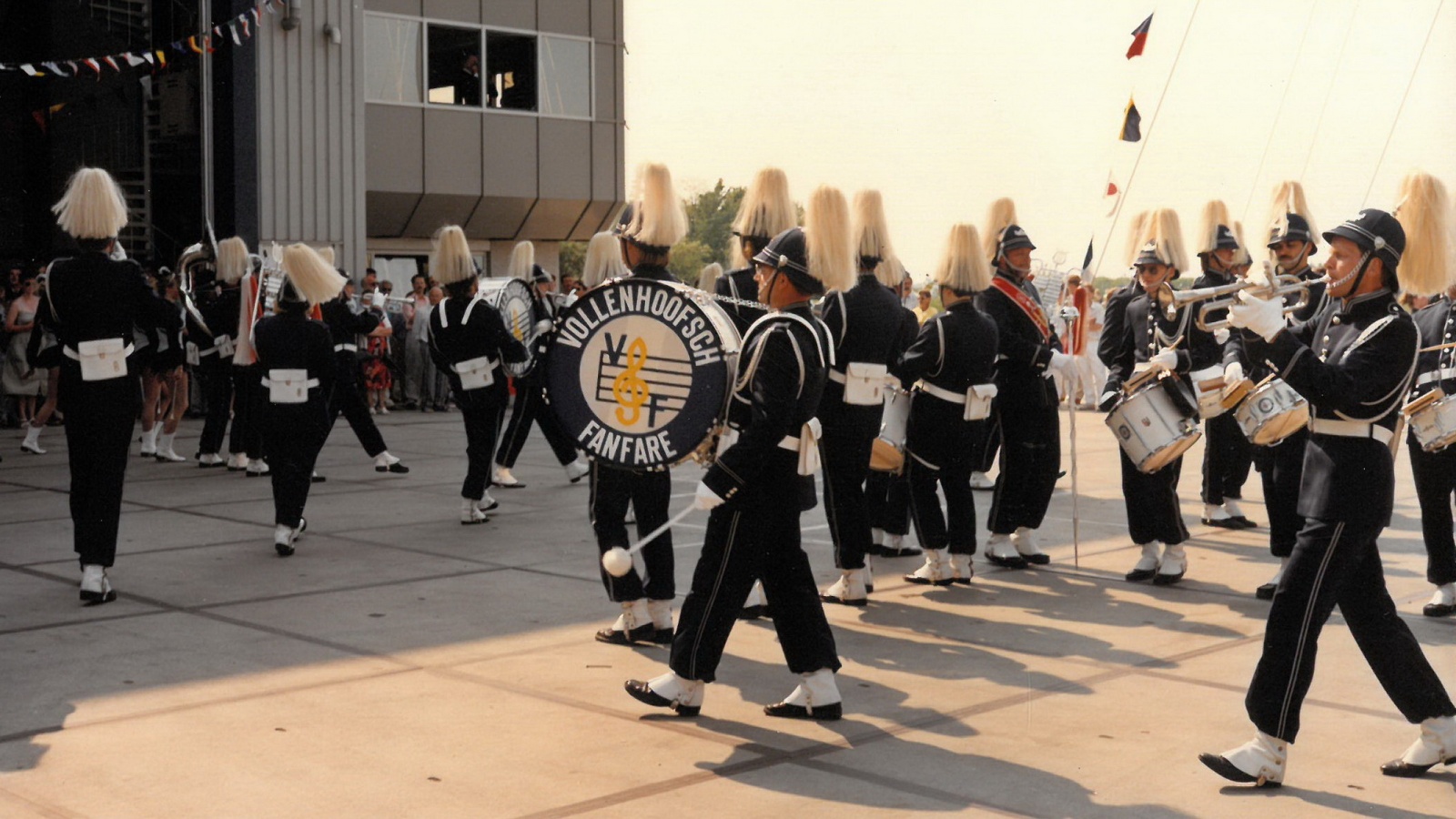
Endeavour’s relaunch in 1989 became more than a milestone — it proved what was possible when history meets modern engineering and uncompromising craft.
Today, Endeavour’s story reads like a reminder: the hardest builds aren’t always the biggest — they’re the ones that demand you honour the past while inventing the future, one fitting, one spar, and (yes) sometimes one unseen dovetail joint at a time.
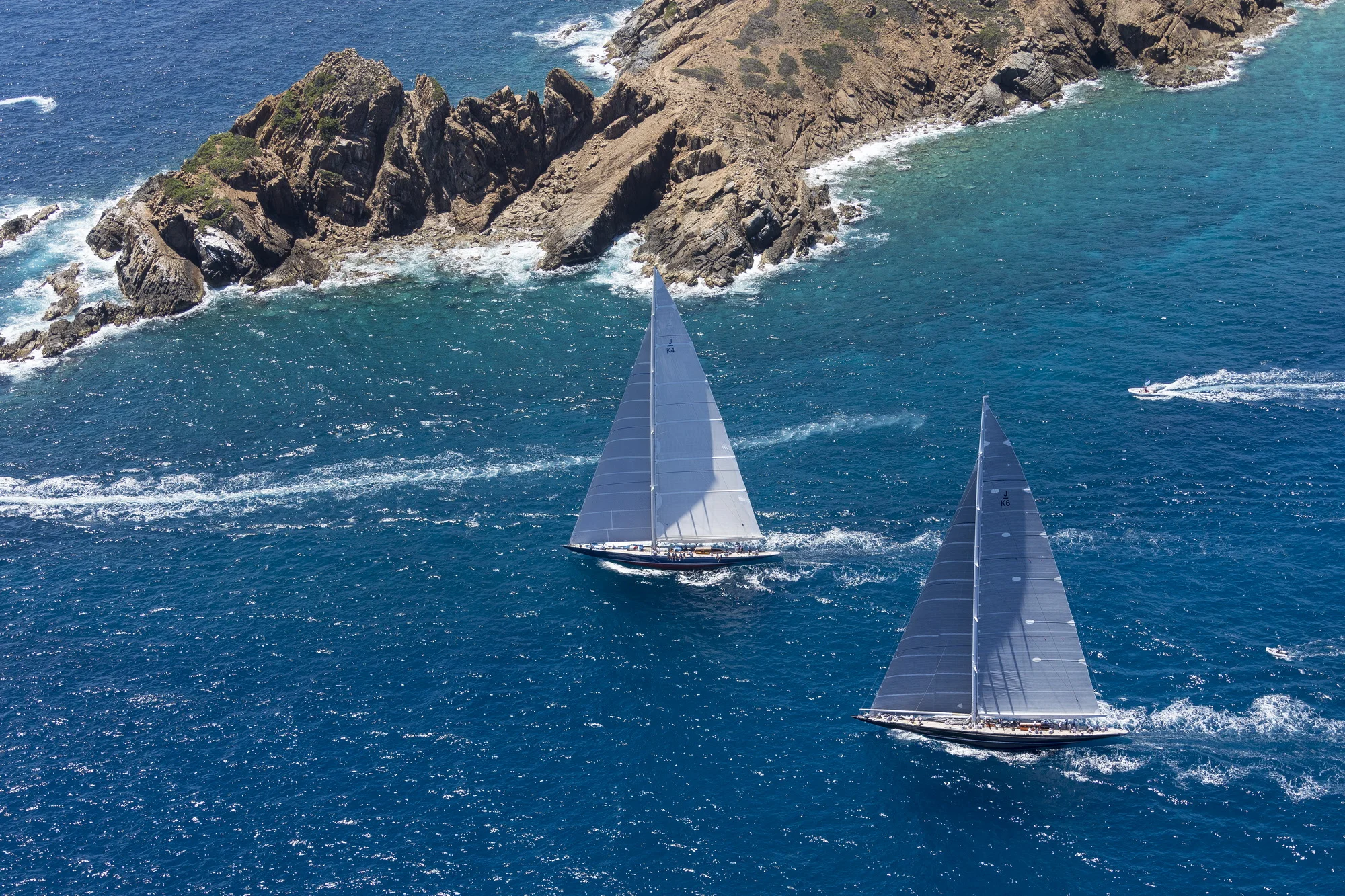
J class yachts Hanuman and Endeavour
Restoration of classics and rebuilds of historical yachts. Huisfit by Royal Huisman has an established track record of success with such projects.
you might like this too

